


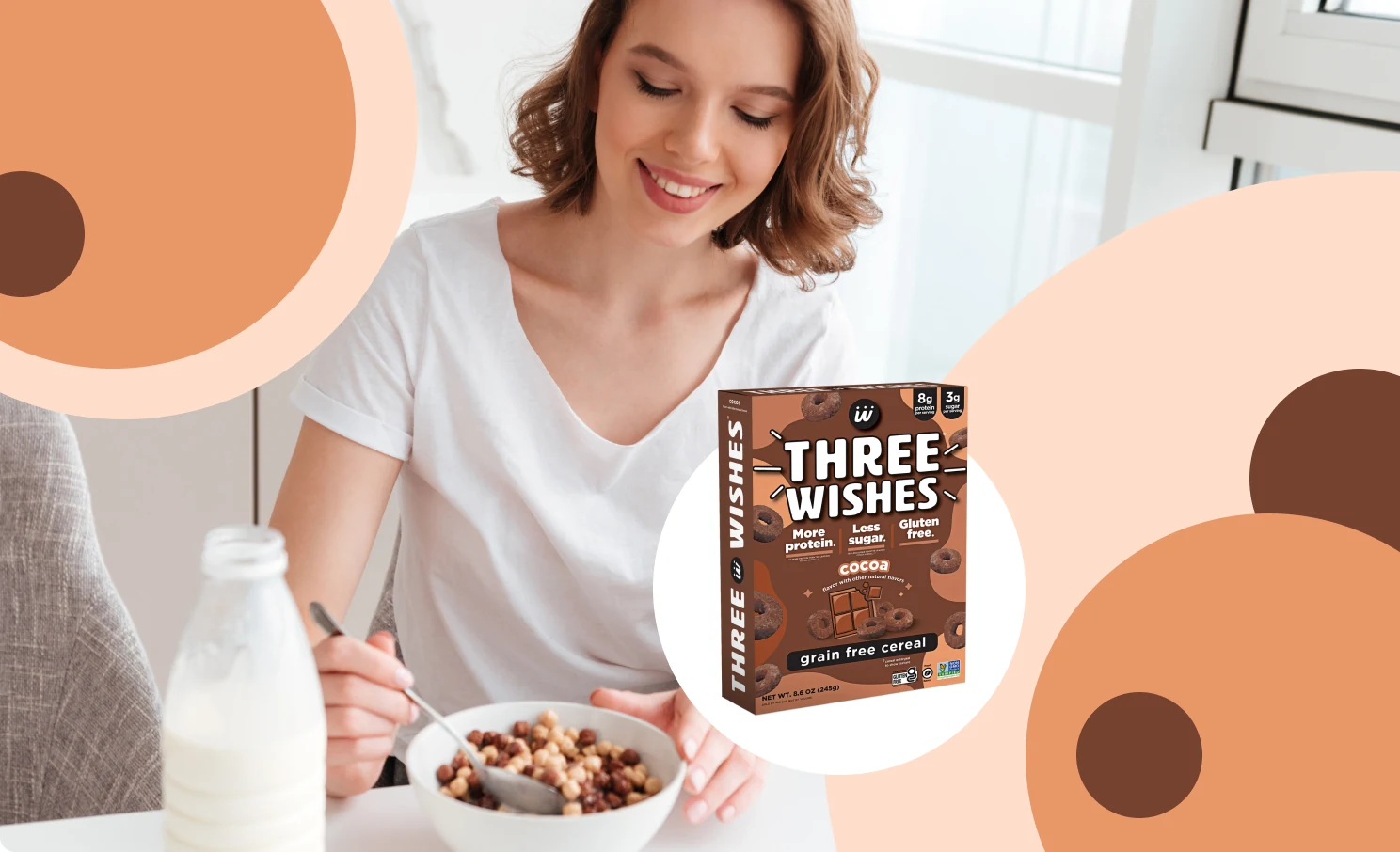
Why Three Wishes Kept Showing Up
I stopped buying cereal around 2021, and honestly, I didn't miss it. The ones with clean labels tasted like cardboard with ambition. The ones that tasted good required making peace with an ingredient list I'd rather not think about at 7am. Magic Spoon came through my feed constantly that year, bold branding, real protein numbers, and I bought it twice. The macros were there. But there's a gummy, faintly artificial finish that arrives around bite three, and I kept waiting to adjust. I never did. Eventually I just stopped and moved on to eggs.
Three Wishes found me the slow way. It showed up at my Whole Foods, then on a friend's counter during a weekend visit, then came up unprompted in a conversation with someone whose opinion on food I actually trust. That pattern, no single push, just quiet accumulation, tends to mean something.
The Founders and the Formula
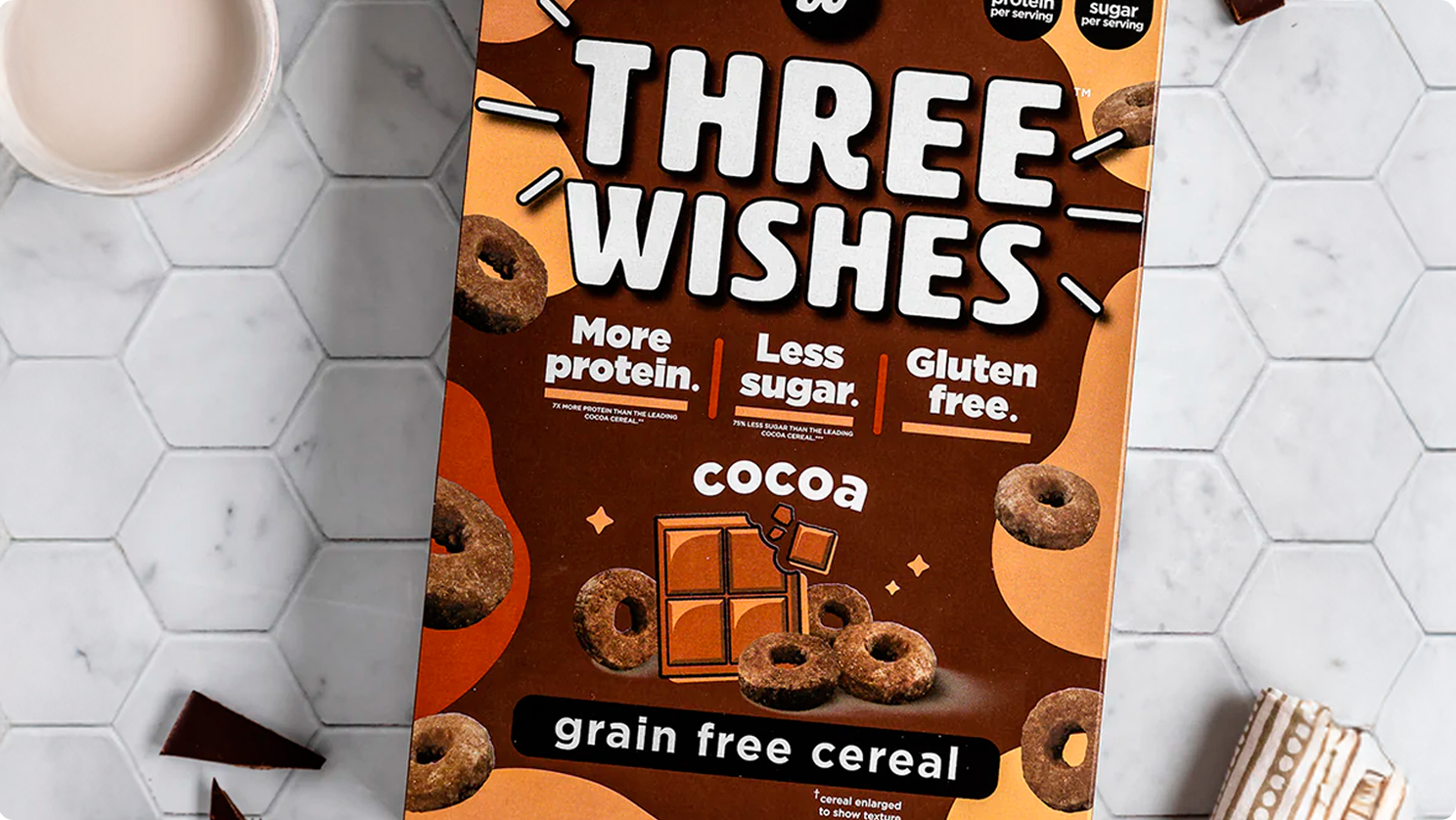
Margaret and Ian Wishingrad started the company in 2019 with a constraint that sounds simple and almost never is: make something their kid would genuinely eat, built to a nutritional standard they could stand behind. Most functional food brands don't actually solve that problem. They engineer the macros first and ask the flavor team to clean up the mess. Three Wishes went the other direction, and you can taste the difference.
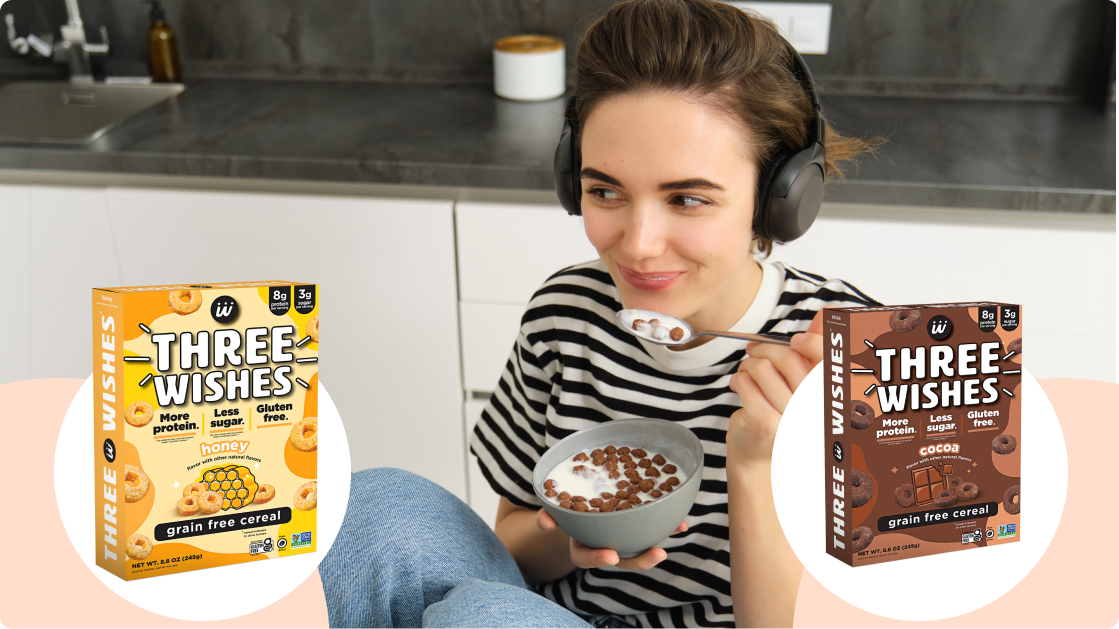
The base is chickpea flour and pea protein, which sounds less appealing than it eats. Per serving: 8 to 10 grams of protein, 3 grams of fiber, 3 to 5 grams of sugar, and an ingredient list that wraps up under ten items. No artificial colors, no preservatives, no added vitamins papering over a formula that can't hold its own. The Honey variety is the one I keep returning to, mildly sweet, stays intact under oat milk long enough to actually eat without rushing, and doesn't leave that coating on your teeth that makes you feel like you made a mistake.
How It Compares to Magic Spoon (and Cheerios)
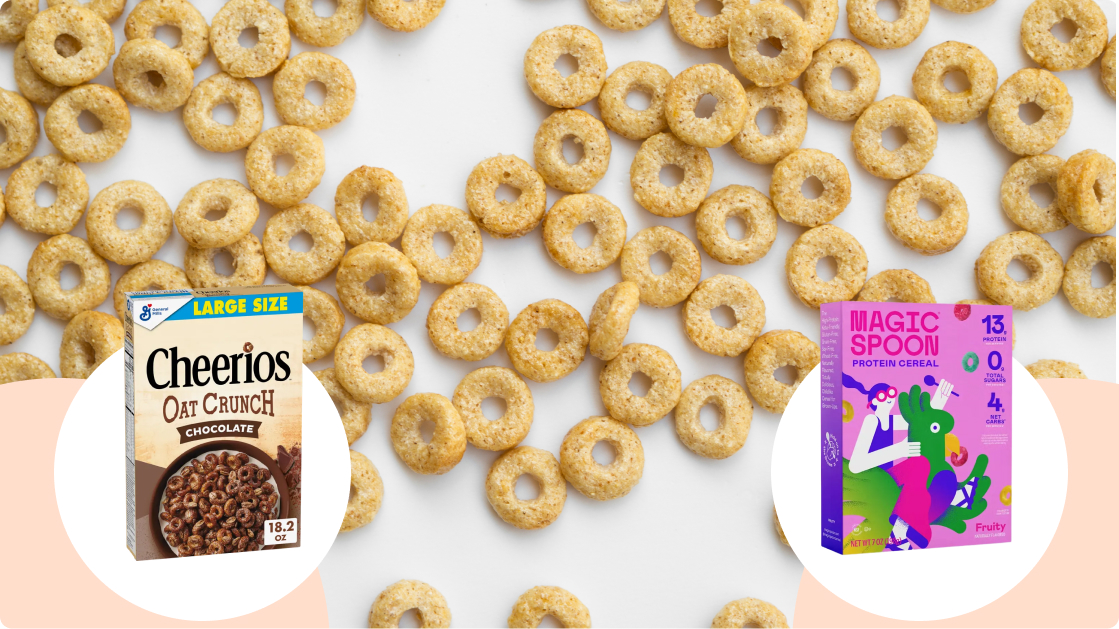
Here's where the formula gets interesting. The chickpea base delivers plant protein without heavy processing, and the texture lands closer to conventional cereal than anything whey-based I've tried in this category. The honest tradeoff is protein volume. Magic Spoon runs 13 to 14 grams per serving on a whey isolate, and Three Wishes doesn't match that number. If you're treating breakfast like a supplement protocol, Magic Spoon probably wins on paper. But if you're eating cereal because you want breakfast to be better than it currently is, the ingredient integrity here makes a more durable case. One of these products I've eaten for six weeks. The other I abandoned twice.Against something like Cheerios, 3 grams of protein with whole grain oats as the headline credential, the comparison barely registers. That's a different product for a different consumer, and Three Wishes knowing exactly who it's for is a big part of why it works.
Why Retail Placement Actually Matters
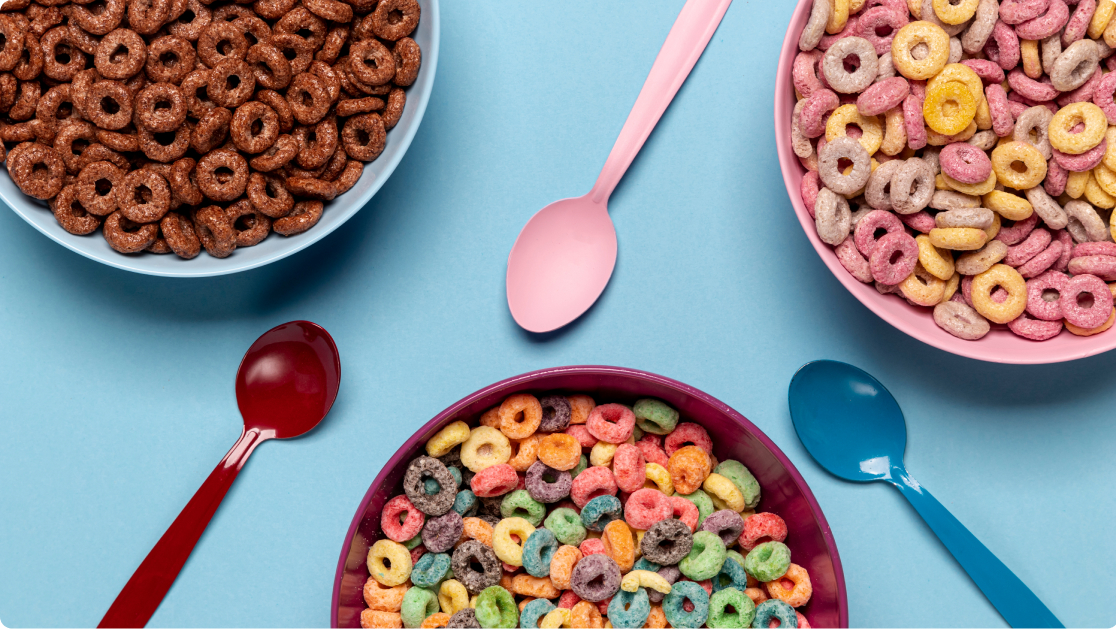
The part of the story I keep thinking about is where it's showing up. Three Wishes is in Target and Whole Foods nationally now, which means it survived the transition that quietly ends most DTC food brands before anyone notices. Retail is where clean margins go to get complicated. Slotting fees, promotional requirements, the slow pressure to simplify a formula that was never supposed to be simple. Most brands arrive on that shelf as a slightly lesser version of what they launched as. Three Wishes got there on a sub-ten-ingredient chickpea cereal with no celebrity investor attached to the press release. That shelf space was earned, and the Target grocery buyer doesn't hand that out as a favor.
The Verdict
I've been rotating through Honey and Cocoa for about six weeks now. Most mornings it's a bowl with oat milk before I've fully committed to being awake, which is exactly the level of effort a breakfast product should require. The taste is genuinely good, not good-for-what-it-is, just good. The ingredient list holds up every time I look at it. At around $10 a box it's the premium end of the shelf, but it's on the shelf I'm already standing in front of, and that kind of frictionless trust is something brands spend years trying to manufacture.
Three Wishes has been quietly building it for five. That's usually how the ones that last actually work.