Last Saturday night, six people were in my kitchen. Nobody was cooking. One friend was sitting on the counter. Two were leaning against the island with wine glasses, talking about a podcast neither had finished. Someone was scrolling their phone near the stove, half listening, fully comfortable. The living room was empty. The dining table was clean and ignored.
This happens every time. Every dinner party, every casual hang, every random Tuesday when someone stops by. The kitchen absorbs everyone. Not because the food is there, though it usually is. Because the kitchen has become the room where people actually want to be.
I’ve been thinking about why. And I think the answer is bigger than interior design.
A Concept From 1989 That Explains 2026
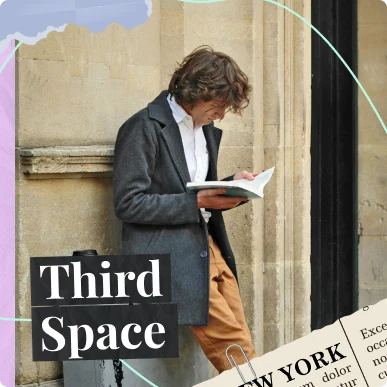
In 1989, sociologist Ray Oldenburg wrote a book called The Great Good Place. His argument was simple. People need three spaces in their lives. The first place is home. The second place is work. The third place is somewhere else entirely. A café, a barbershop, a park bench, a corner booth at a diner. Somewhere you’re not expected to produce or perform. Somewhere you just exist around other people.
Oldenburg believed third places were the backbone of community life. They’re where strangers become regulars. Where social hierarchy flattens. Where you show up without an agenda and leave feeling more connected than when you arrived. Think Central Perk. Think Cheers. Those shows understood something real about how people build belonging.
For decades, third places lived outside the home. Coffee shops. Pubs. Bookstores. Bowling alleys. Then a few things happened at once, and the geography of connection started to shift.
The Collapse
Remote work merged the first and second place into one. Millions of people stopped commuting. Stopped passing the coffee shop on the way to the office. Stopped running into anyone they didn’t already know. Home became work, work became home, and the line between them dissolved so completely that people started scheduling walks just to feel like they’d gone somewhere.
At the same time, traditional third places started disappearing. Independent cafés got replaced by chains that optimize for throughput, not lingering. Bars got expensive. Bookstores closed. Even the ones that survived often felt different. People sitting alone at tables, laptops open, headphones in. Physically present but socially gone. Oldenburg actually warned about this. A space with Wi-Fi and no eye contact isn’t a third place. It’s a waiting room.
So where did the social energy go? It went home. Specifically, it went to the kitchen.
The Kitchen Island as Social Architecture
The modern kitchen island is the most important piece of social furniture in the American home. I don’t think that’s an exaggeration.
It’s where people stand when they don’t want to commit to sitting. It’s where conversations start because the posture is casual, side by side, not face to face. It’s the bar you don’t have to tip at. The booth with no reservation. Designers have noticed. Kitchen islands are getting bigger, more multi-functional, and more social. Seating wraps around them now. Double islands are a real trend. Some homeowners are building islands that function less like prep surfaces and more like gathering tables, with integrated charging stations, mixed materials, and enough stools to seat a dinner party.
The formal dining room, meanwhile, is fading. People don’t want to sit across from each other in a structured arrangement. They want to lean. They want to graze. They want the easy proximity of standing near someone without the obligation of sitting down with them. The kitchen provides that. It’s informal by design.
This is the third place behavior Oldenburg described. No agenda. No hierarchy. Just proximity and permission to be there. The only difference is, it’s happening in your house now.
The Products That Understood the Shift
You can see this trend in what people are buying. Not just kitchen renovations, but everything around the act of gathering at home.
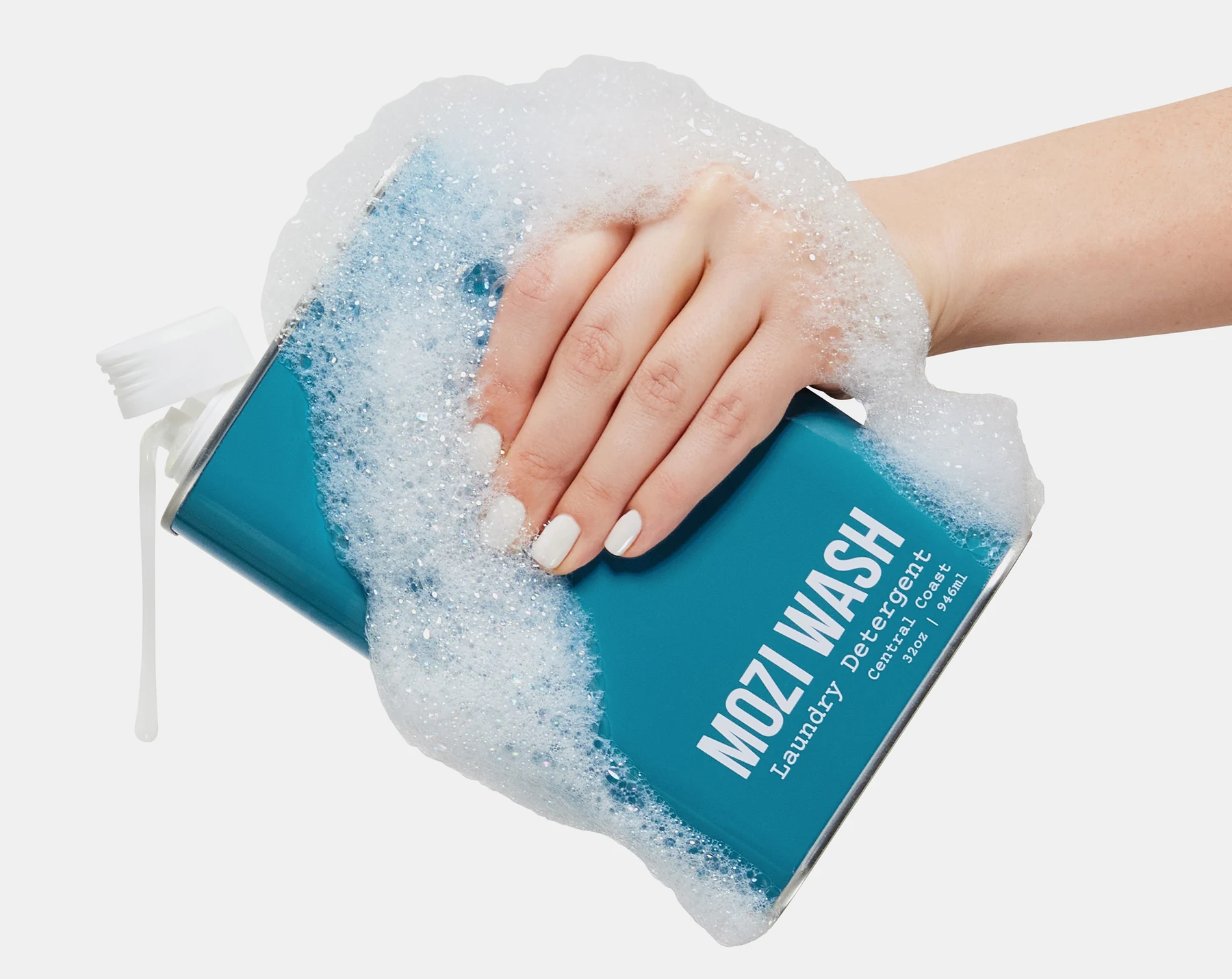
Cocktail culture moved indoors. Brands like Our Place and Material Kitchen built their entire identities around the idea that the kitchen is where life happens, not just where food gets made. Our Place’s Always Pan wasn’t really about the pan. It was about a photograph of someone cooking while other people stood nearby, laughing, holding drinks. The product was the scene.
Countertop appliances got beautiful. The Breville espresso machine sitting on your island isn’t just functional. It’s a signal that says: stay. Sit down. Let me make you something. When a $700 coffee machine becomes a design object, it’s because the room it lives in has become a social space, not just a utility room.
Even home fragrance brands have caught on. Candle companies now market specific scents for kitchens, not to cover cooking odors, but to set a mood. The kitchen isn’t something to mask anymore. It’s something to curate.
The Loneliness Problem, Solved Sideways
There’s a loneliness epidemic. Everyone talks about it. Fewer people have close friendships than a generation ago. Social trust is declining. People feel isolated even in crowded cities.
But I think something quieter is also happening. People are solving the problem on their own terms. Not by going back to the old third places, but by building new ones inside their homes. The Saturday night kitchen hang isn’t a party. It doesn’t have a guest list or a start time. It’s just people showing up. And that informality is the whole point. It lowers the stakes enough that people actually do it.
I’ve noticed this in my own life. The friends I see most aren’t the ones I make formal plans with. They’re the ones who text “coming over” and then stand in my kitchen for two hours. No plan. No performance. Just the weight of being around someone you like, in a room that doesn’t ask anything of you.
The Verdict
Oldenburg couldn’t have predicted this. His third place was always public, always outside the home. But the forces that shaped modern life have pushed people inward, and instead of giving up on connection, they adapted. The kitchen counter is the new corner booth. The island is the new bar. The Wednesday night hang in someone’s apartment is the new regulars’ table.
I don’t think this replaces public third places. We still need parks and cafés and spaces that bring strangers together. But for the daily, sustaining, low-effort connection that keeps people sane, the home kitchen is doing more work right now than any other room in America.
Six people in my kitchen last Saturday. Nobody was cooking. Everybody was exactly where they wanted to be.