


I love the idea of meal prep. I do not love losing half of Sunday to grocery shopping, chopping vegetables, washing pans, and portioning the same lunch into five containers.
That is why meal delivery services are so tempting. They promise a full fridge, almost no cleanup, and food that supports your goals. The problem is that every service now calls itself healthy, even when the nutrition, ingredients, price, and amount of actual work vary wildly.
Quick answer: Thistle came out on top for its balance of fresh meals, strong protein and fiber, dietary flexibility, and everyday convenience. See Thistle’s current menu and get $150 off.
For this guide, I tried Thistle, Methodology, CookUnity, Locale, Factor, Sakara, Daily Harvest, and Hungryroot. I compared their meals, nutrition, ingredients, dietary flexibility, preparation, pricing, and delivery experience to see which services actually made healthy eating easier during a normal workweek.


%201.png)
%201.png)


Nutrition and ingredient quality. Protein, fiber, whole-food ingredients, transparency, and whether the service applies a consistent standard across the menu.
Meal experience. Flavor, freshness, texture, portion satisfaction, and whether I genuinely wanted another meal.
Convenience. Delivery model, storage, preparation time, cleanup, and how easily each service appears to fit into a normal workweek.
Variety and flexibility. Menu rotation, dietary options, meal selection, plan changes, and the ability to skip or pause.
Value. The real price relative to portion size, ingredient quality, and how much shopping, cooking, or takeout it replaced.

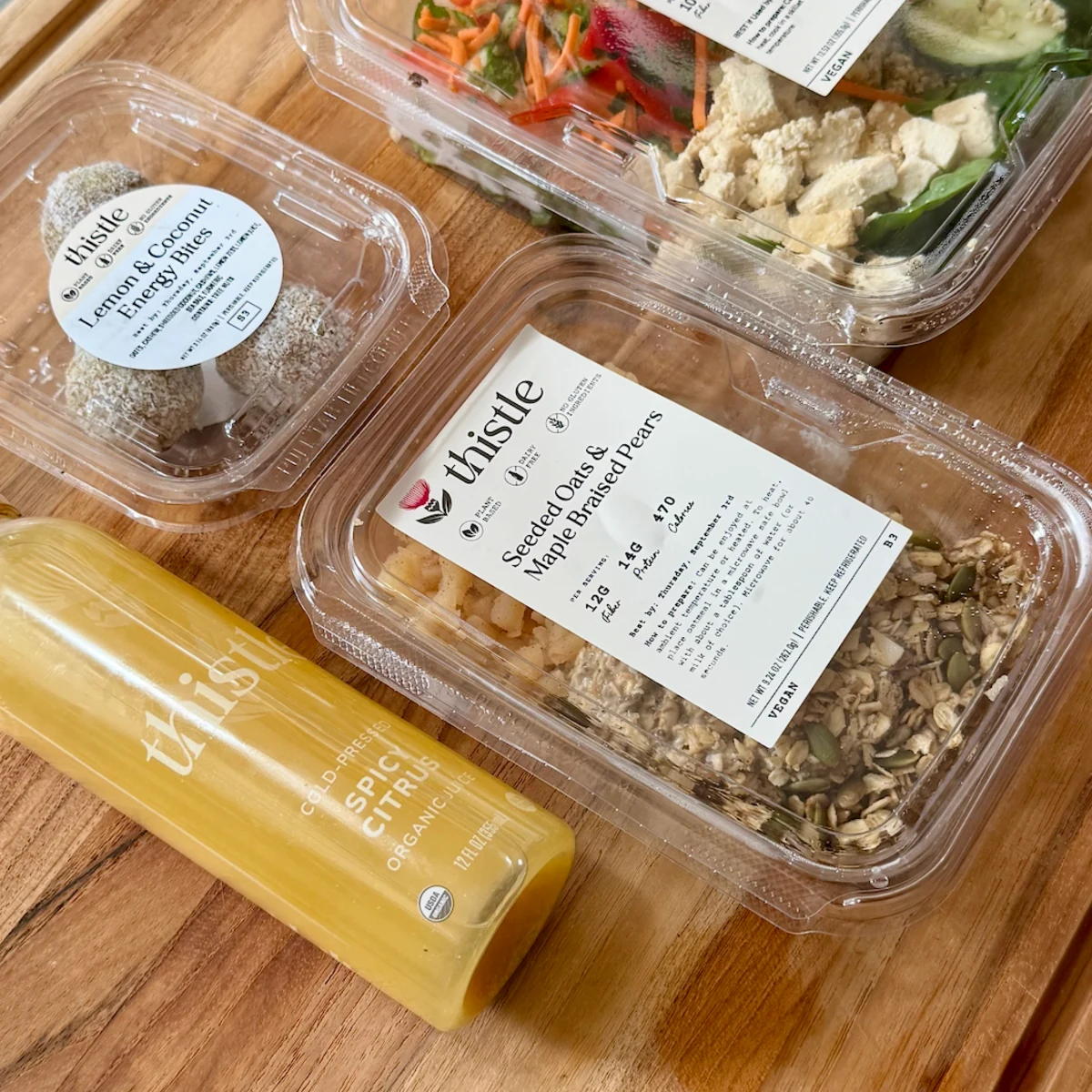
The strongest all-around service in this group. Thistle combines fresh, chef-prepared food with one of the clearest nutrition standards I found, without pushing the price into full luxury territory.
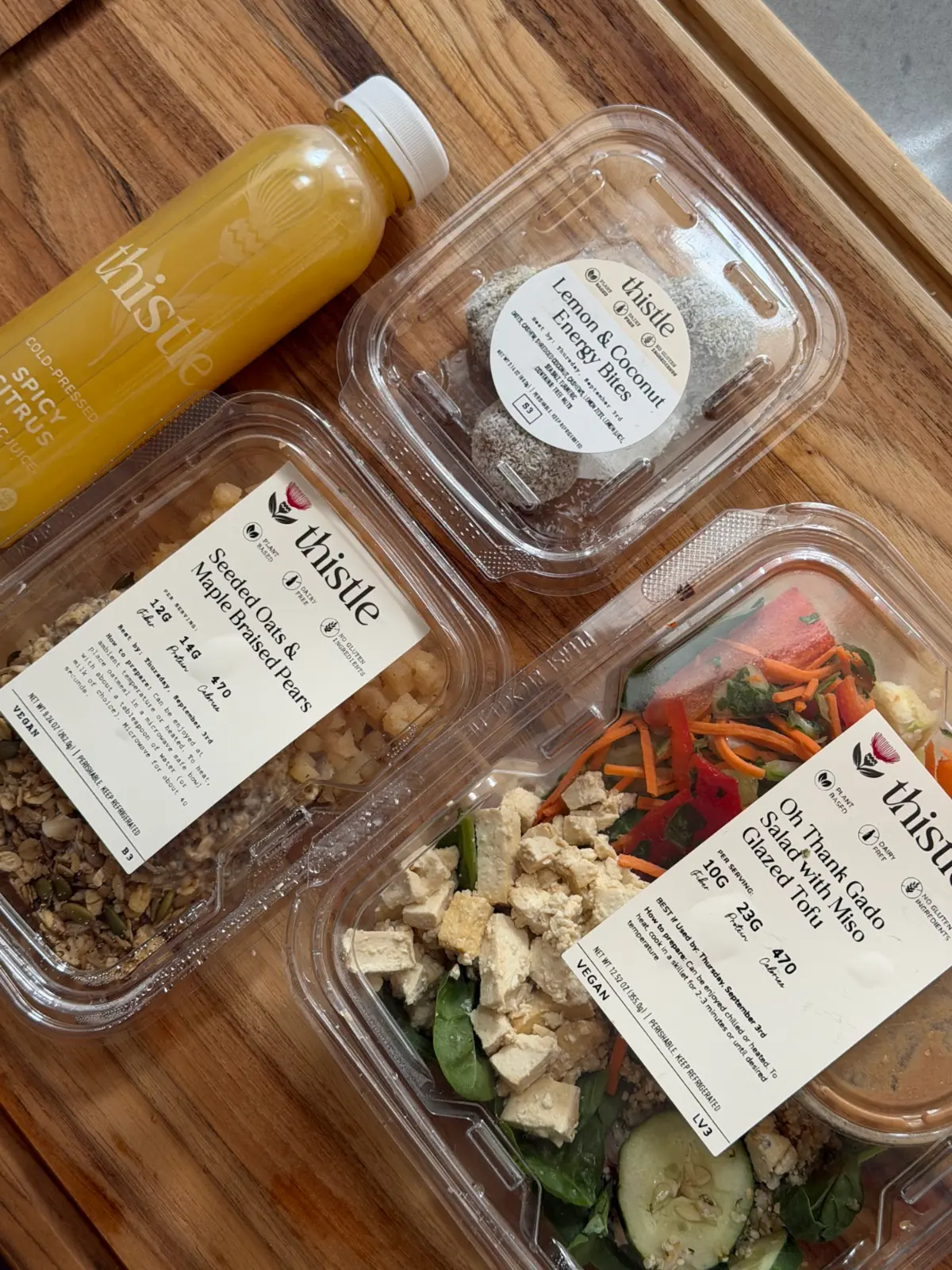
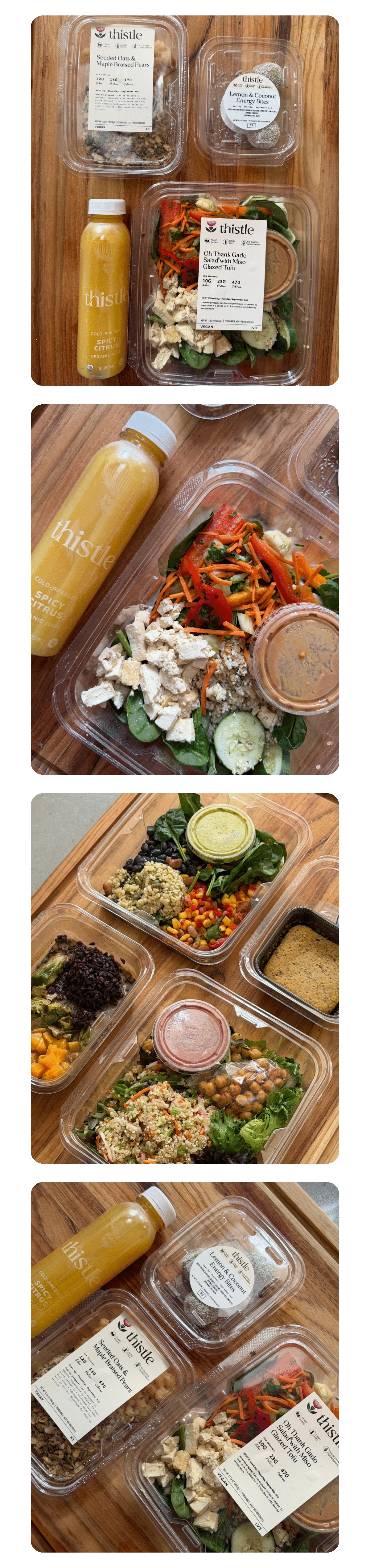
Best all-around choice: What separates Thistle from the rest is balance. The delivery I tried did not feel like eight variations on grilled chicken and rice: I could move from a tofu salad to a sweet-chili turkey bowl to seeded oats, then use the energy bites, ganache bar, or cold-pressed juice when I wanted something smaller. That range made Thistle feel complete and repeatable instead of like a short reset.
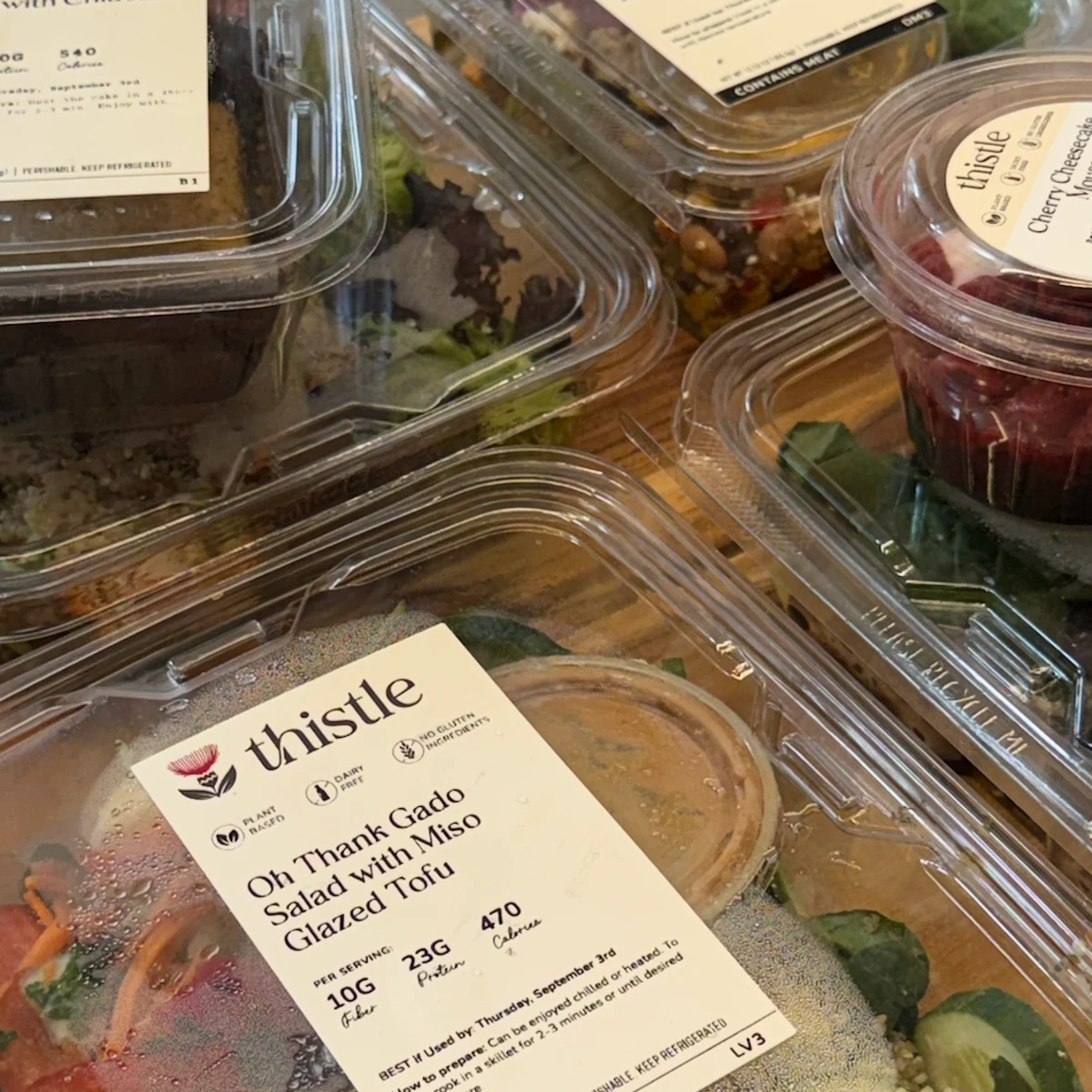
Oh Thank Gado Salad with Miso Glazed Tofu. This was my favorite lunch of the group. The miso-glazed tofu gave the bowl a clear savory center, while the vegetables and seeds made it feel more substantial than a standard desk salad. With 23g of protein and 10g of fiber, it also delivered the kind of nutrition I usually have to assemble myself.
Sweet Chili Seoul Bowl with Bulgogi Ground Turkey. This had the biggest comfort-food payoff. The sweet-chili and bulgogi profile gave it more personality than the average prepared meal, and the 580-calorie portion felt appropriate for dinner rather than like a light lunch pretending to be one.
Seeded Oats & Maple Braised Pears. This was the breakfast I would reorder first. The maple-braised pear made it feel naturally sweet, while the oats and seeds gave it enough texture and staying power to feel like a real breakfast. The label lists 14g of protein and 12g of fiber.
Lemon Coconut Energy Bites and Peanut Butter Ganache Bar. The small extras mattered more than I expected. The energy bites worked as a bright, snackable option, while the peanut-butter ganache bar felt rich enough to register as dessert. They kept the week from feeling overly programmed or clinical.
Cold-Pressed Spicy Citrus Juice. I liked having something bright and easy to pair with breakfast or drink between meals. It was a small touch, but it made the delivery feel closer to a full day of food than a stack of lunch and dinner containers.
Main tradeoff: availability and favorites vary. The rotating menu is great for variety, but it also means you cannot count on ordering the exact same favorite every week. Thistle is also not available in every ZIP code, so the first step is checking the menu and delivery schedule in your area.
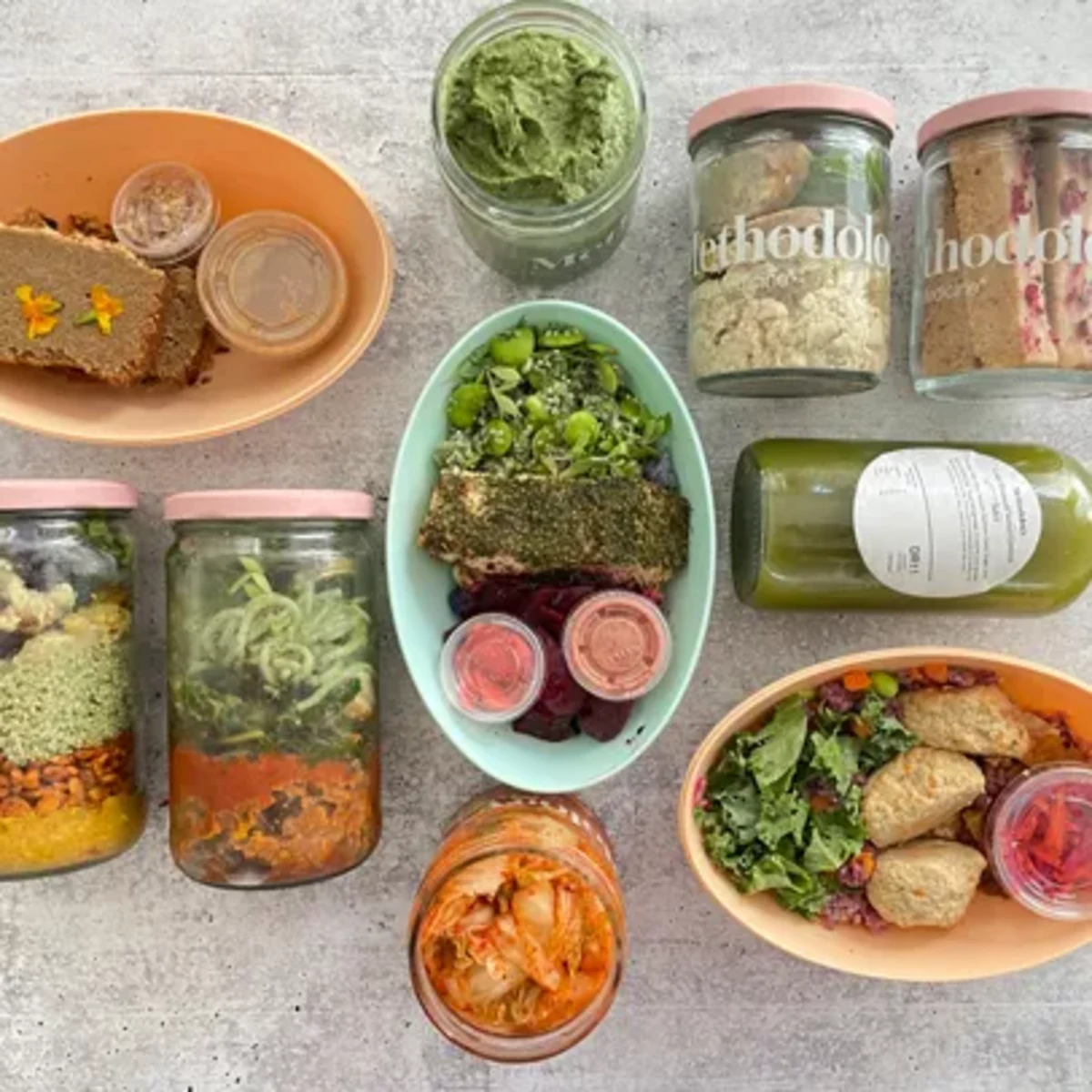
The most ambitious nutrition program in the comparison and the closest challenger to Thistle. Methodology publishes excellent protein targets, precise portions, strong ingredient standards, and reusable glass packaging, but the price makes it difficult to recommend for most people as an everyday service.
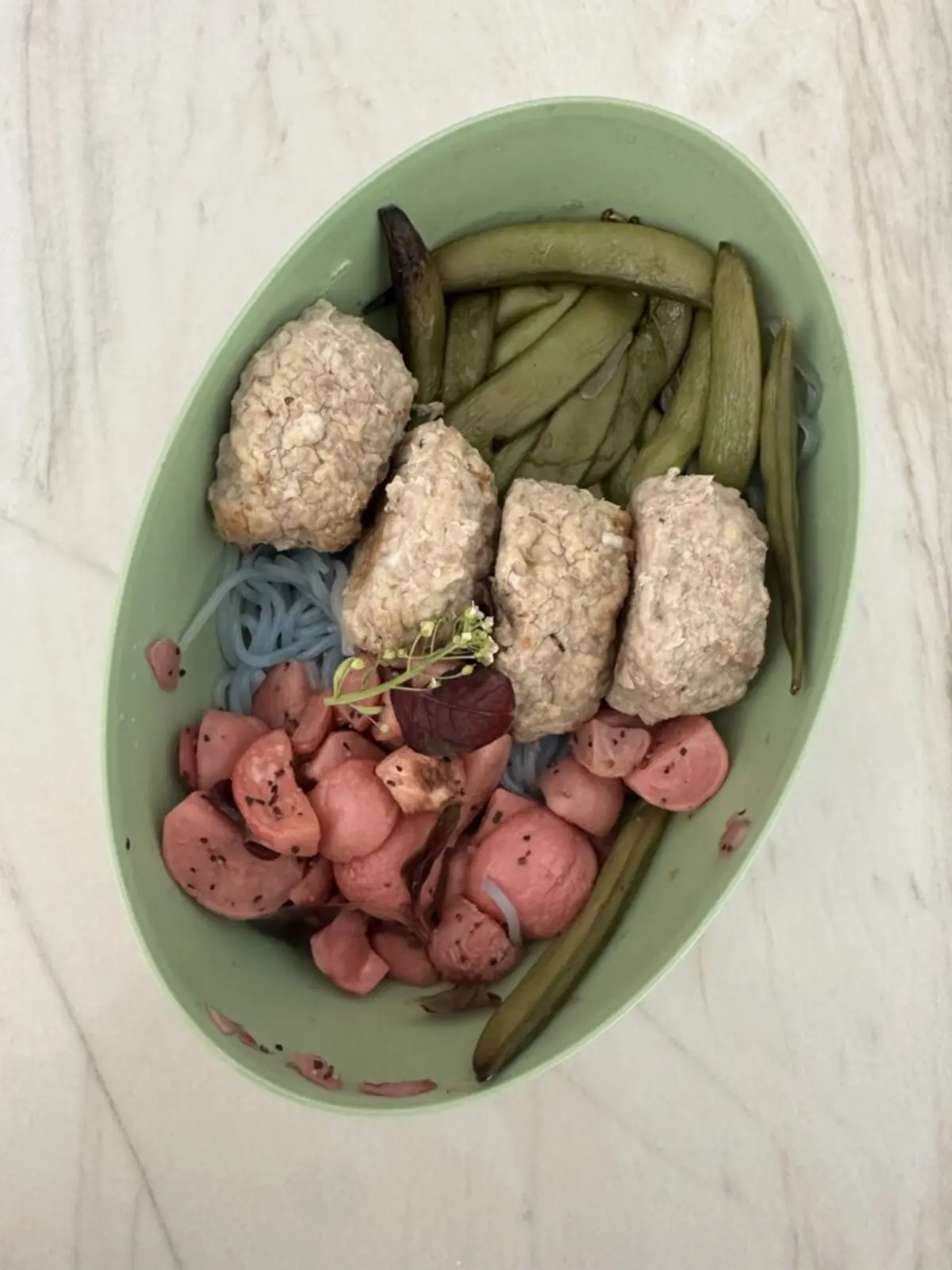
Best for premium nutrition: Methodology was the service I wanted to love most. The weighed portions, strong protein targets, premium ingredients, and reusable glass jars made it feel more considered than standard meal prep. I especially liked the breakfasts and vegetarian options: the chia pudding, overnight oats, and lentil cakes were the clear bright spots and felt substantial enough to justify the nutrition-first pitch.
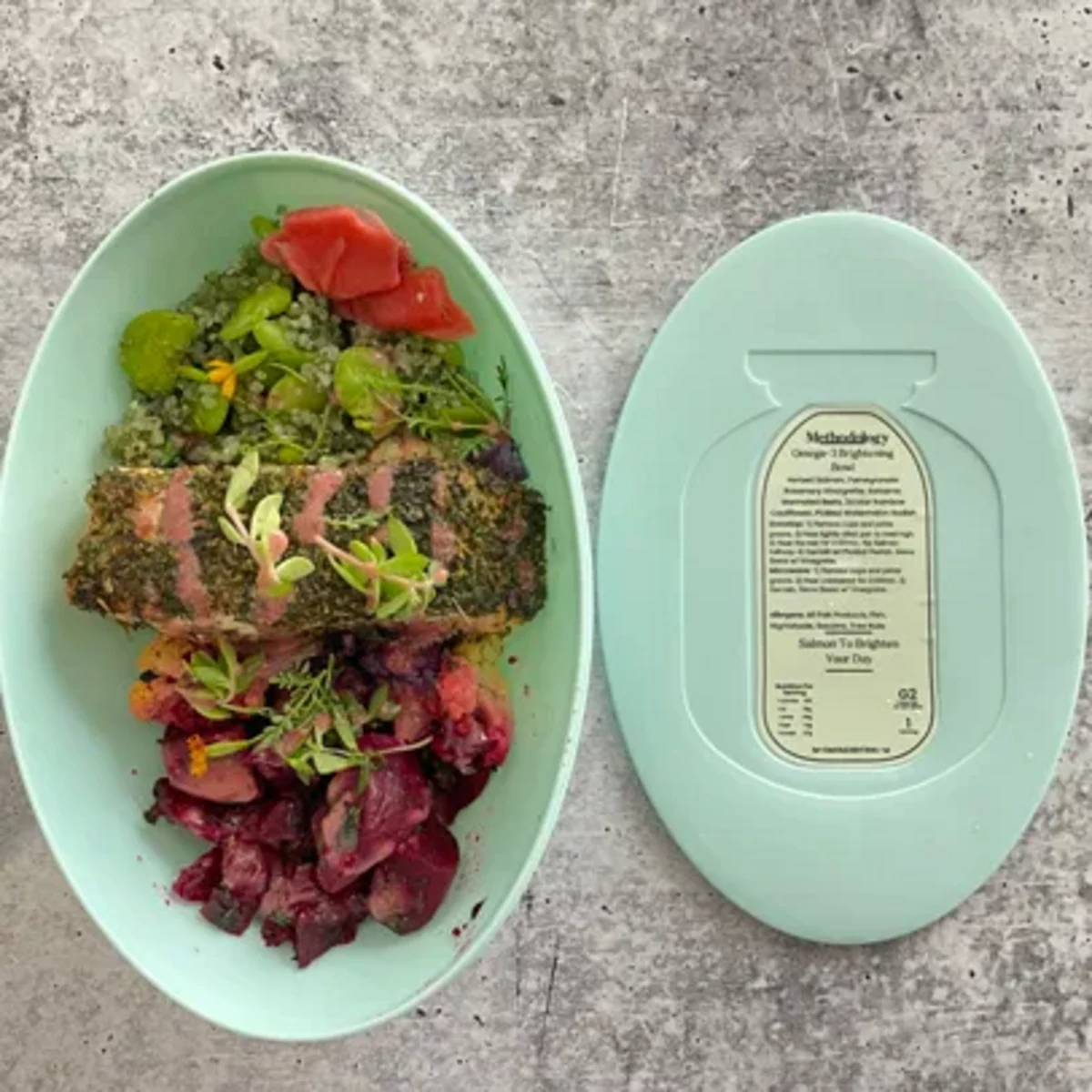
Main tradeoff: the price. Methodology says its Signature program starts around $22 per meal, and many weekly configurations reach several hundred dollars. The reheated entrees were also less consistent than the breakfasts; rice could taste stale, vegetables sometimes lost their texture, and a few flavors did not fully come together. At this price, I would build my order around the strongest breakfasts and vegetarian dishes instead of trusting the entire menu blindly.
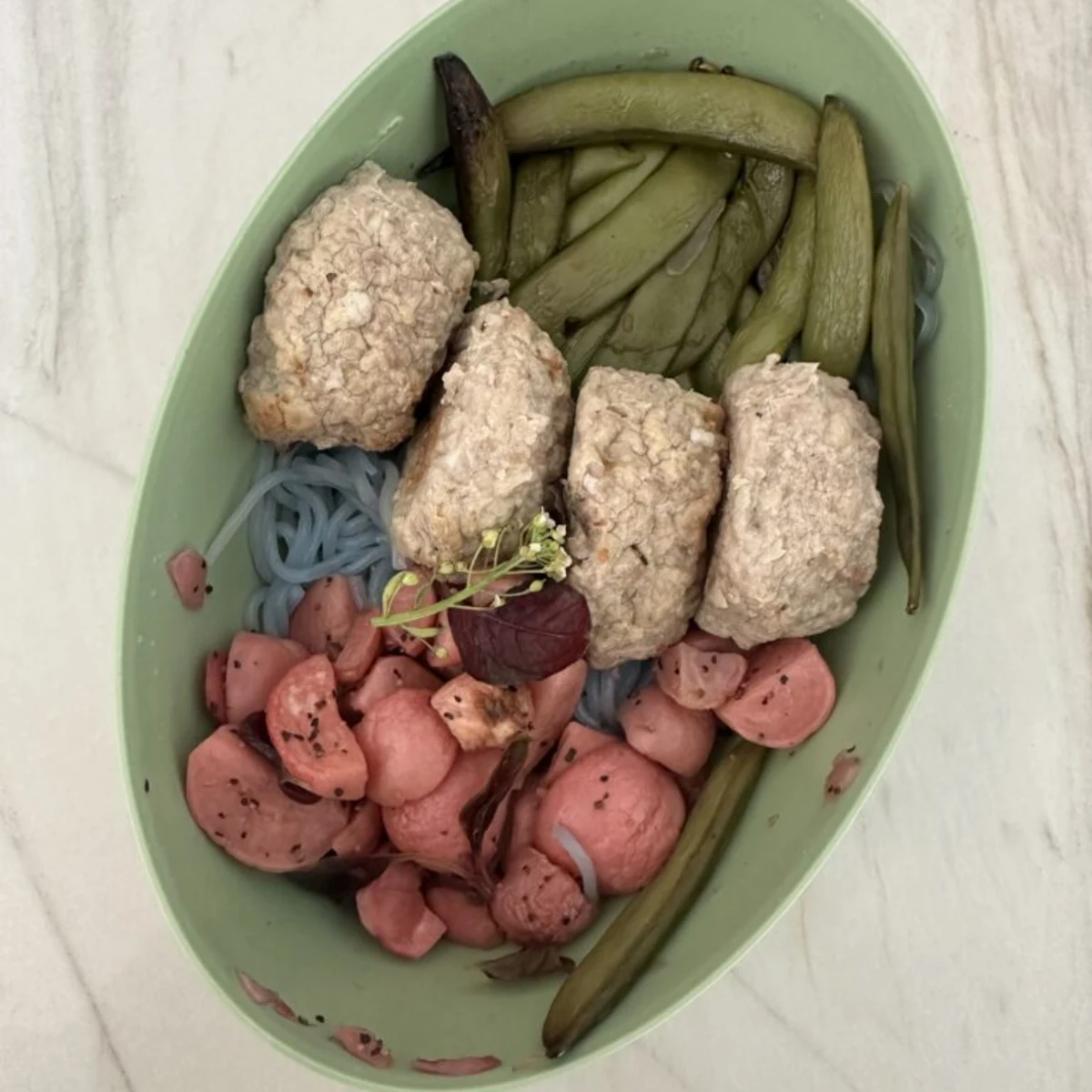
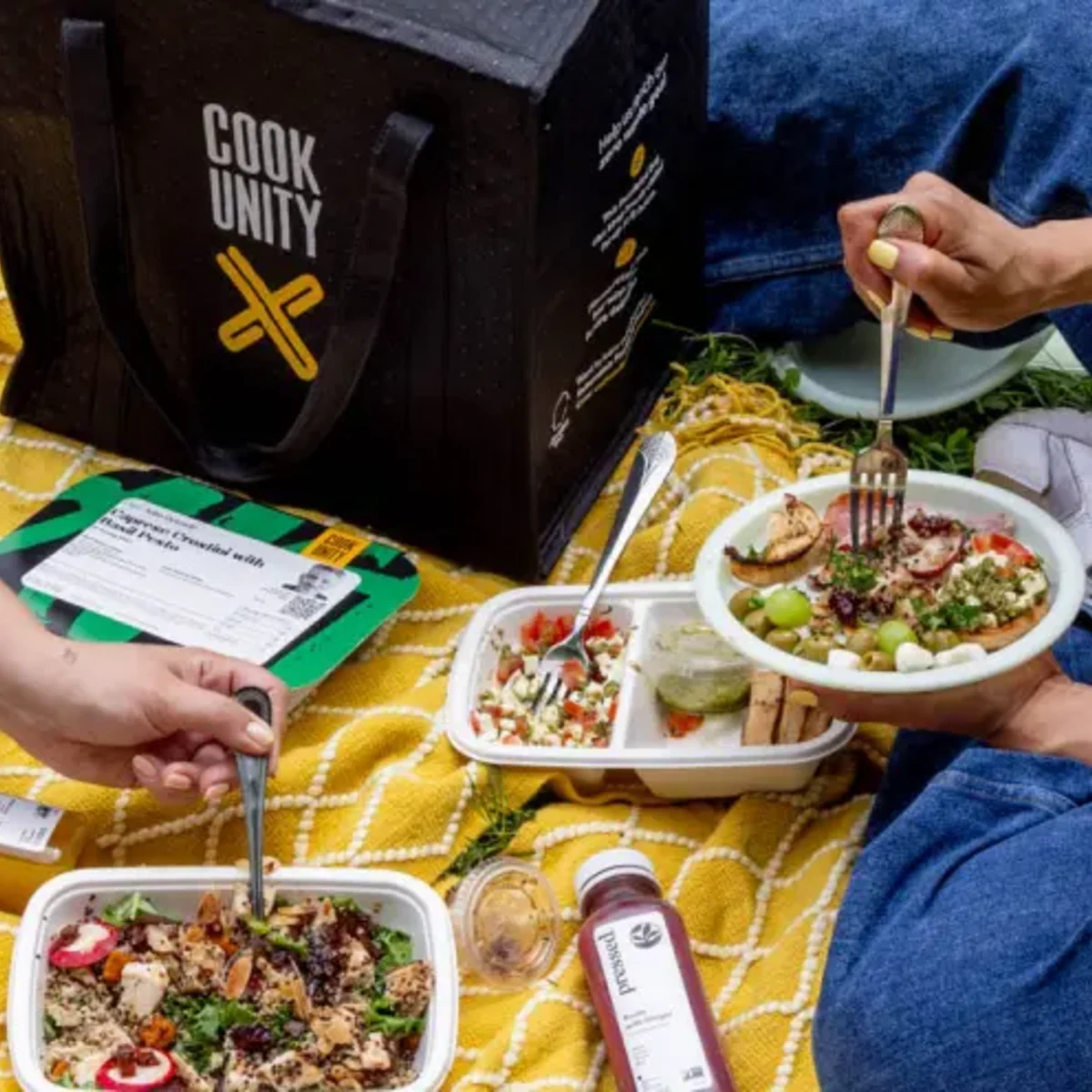
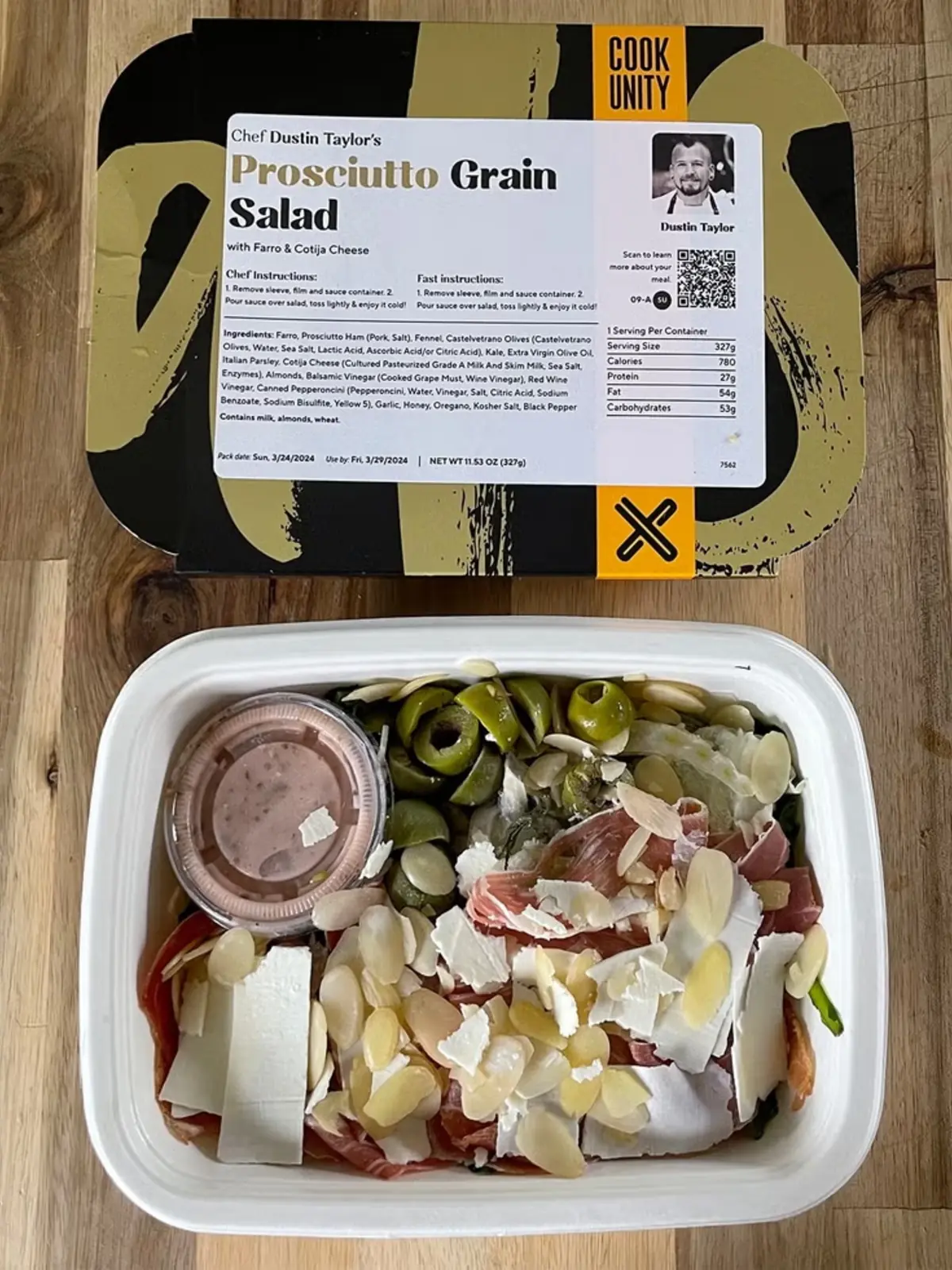
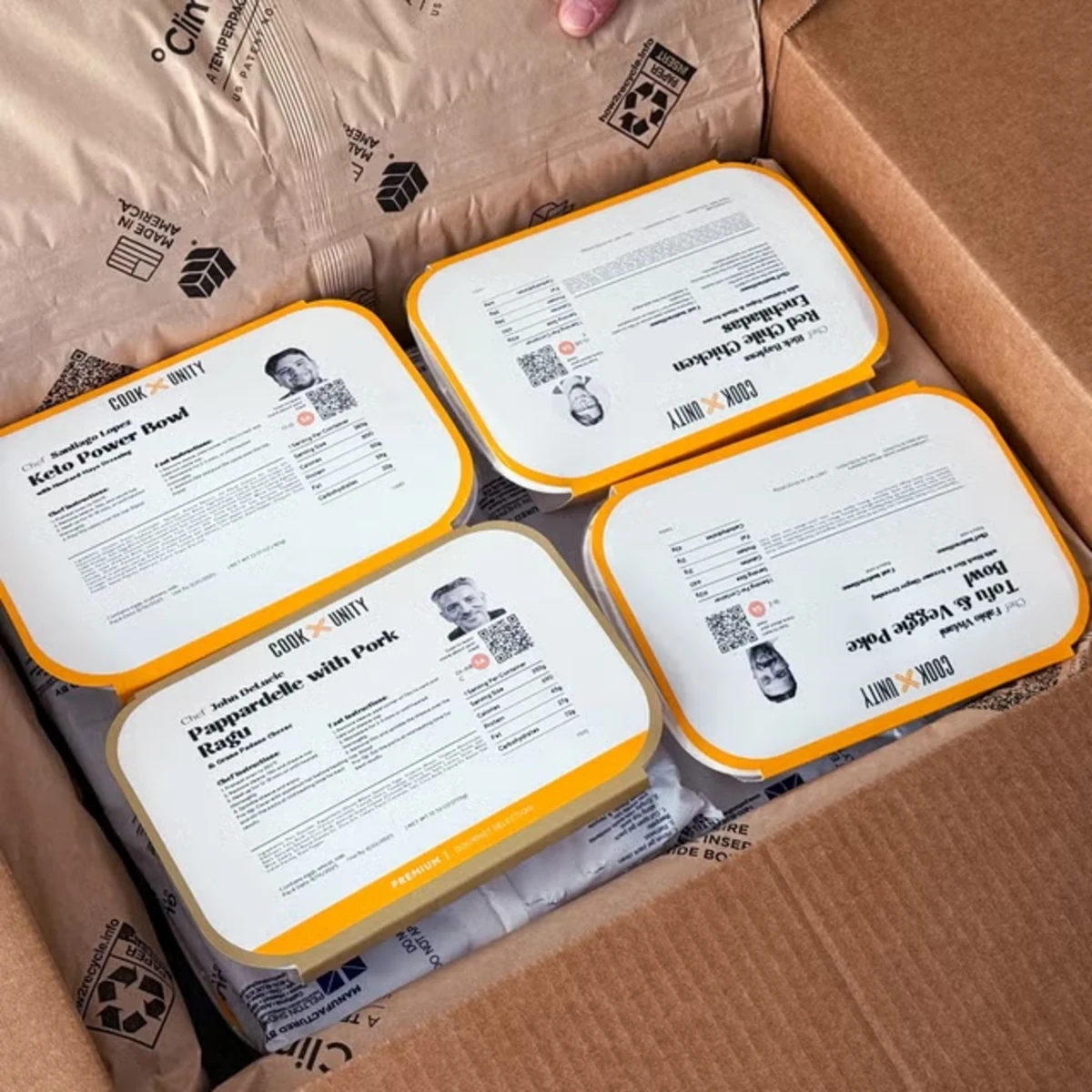
The best choice for people who get bored easily. CookUnity offers an enormous chef-led menu and restaurant-style variety, although that marketplace model creates less nutritional consistency from one meal to the next.
Best for variety: CookUnity came closest to replacing restaurant takeout. I loved opening a menu with hundreds of chef-made options, and the best dishes had more personality than the usual prepared-meal formula. The ability to move from biryani to tacos to Mediterranean bowls made it the easiest service to keep exciting from week to week.
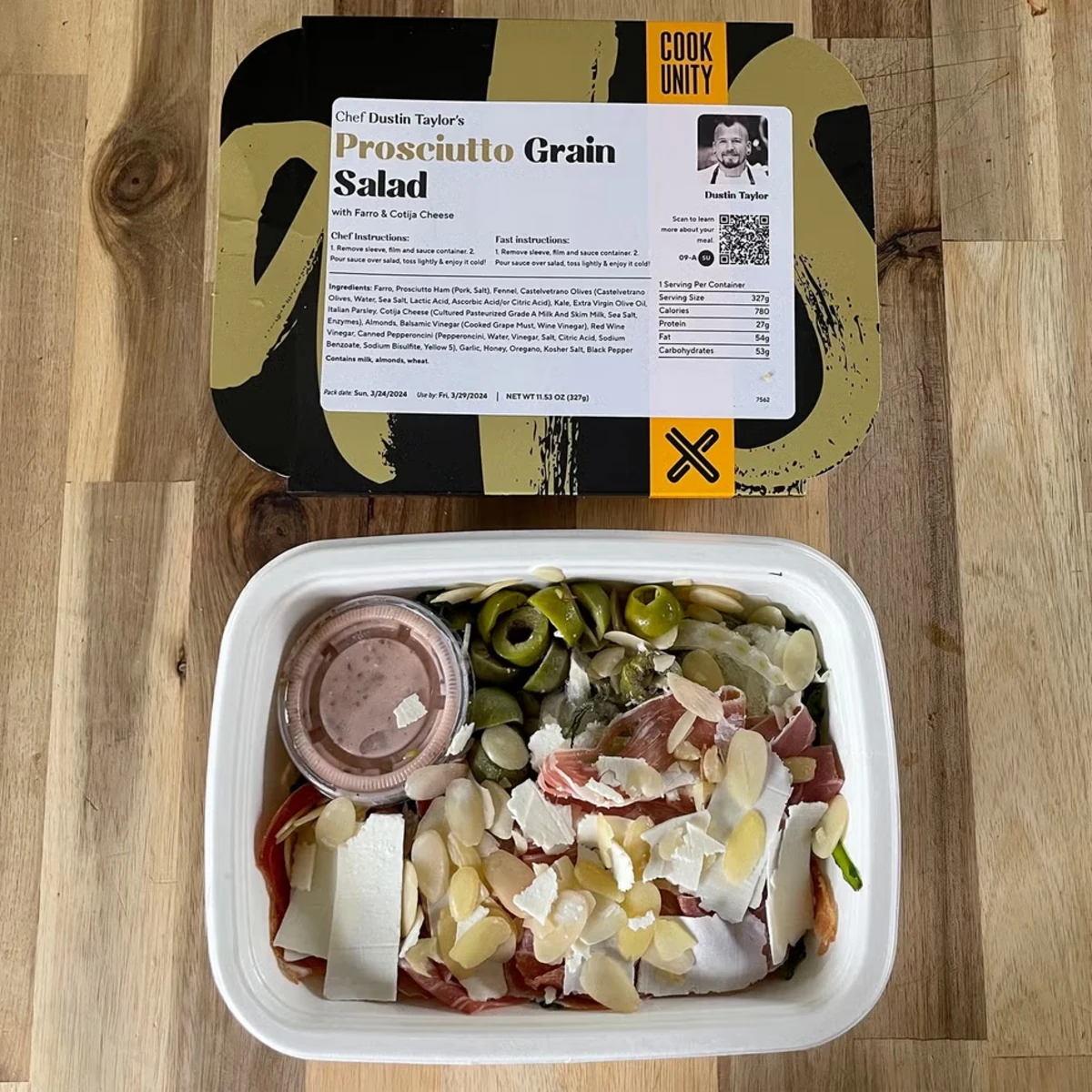
Main tradeoff: consistency. Some chefs and meals became immediate repeat orders, while others were dry, bland, or noticeably less polished than their photos. Nutrition and ingredients also vary widely, so I had to examine every meal instead of trusting one house standard. I would use the first delivery as a tasting flight, save the winners, and avoid ordering at random.
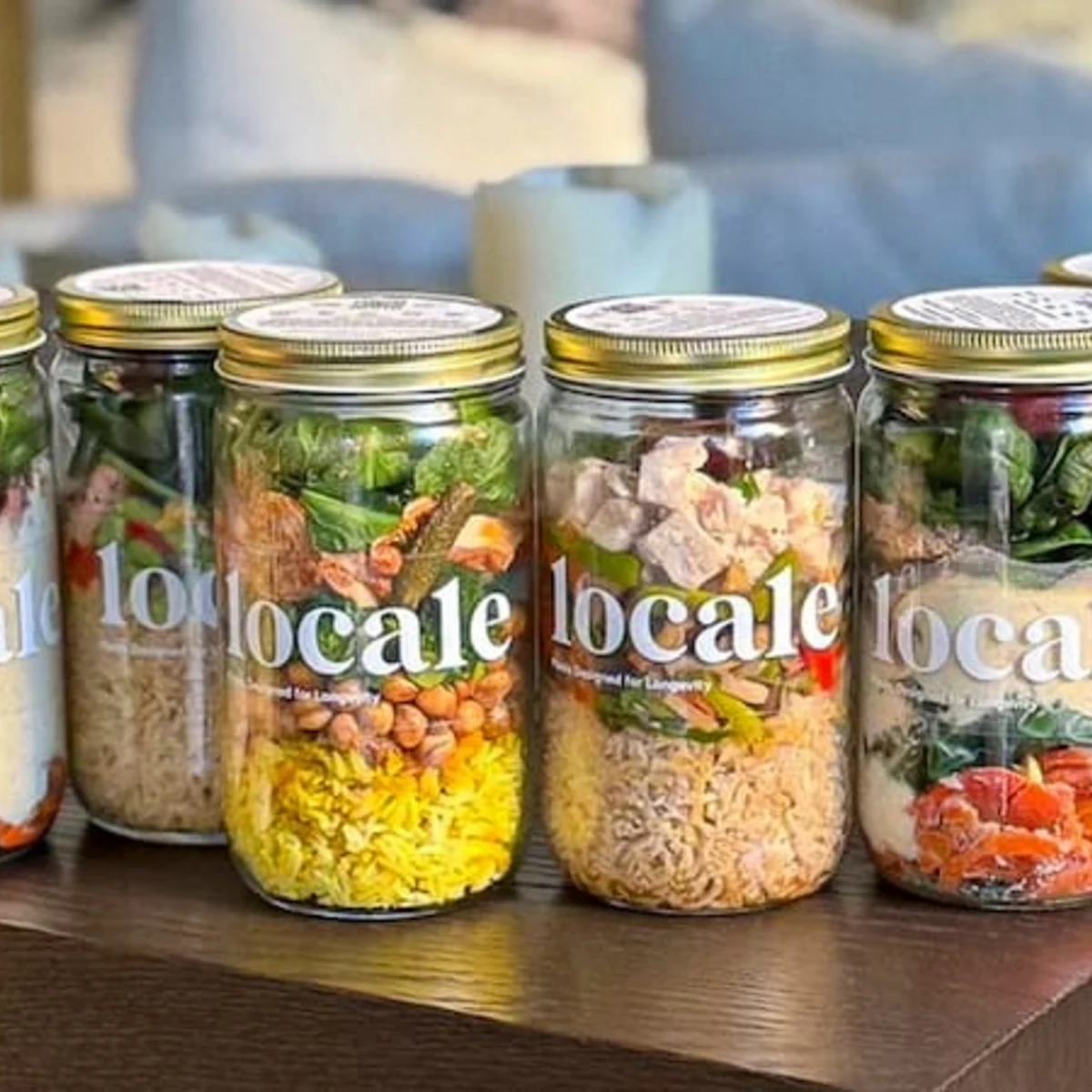
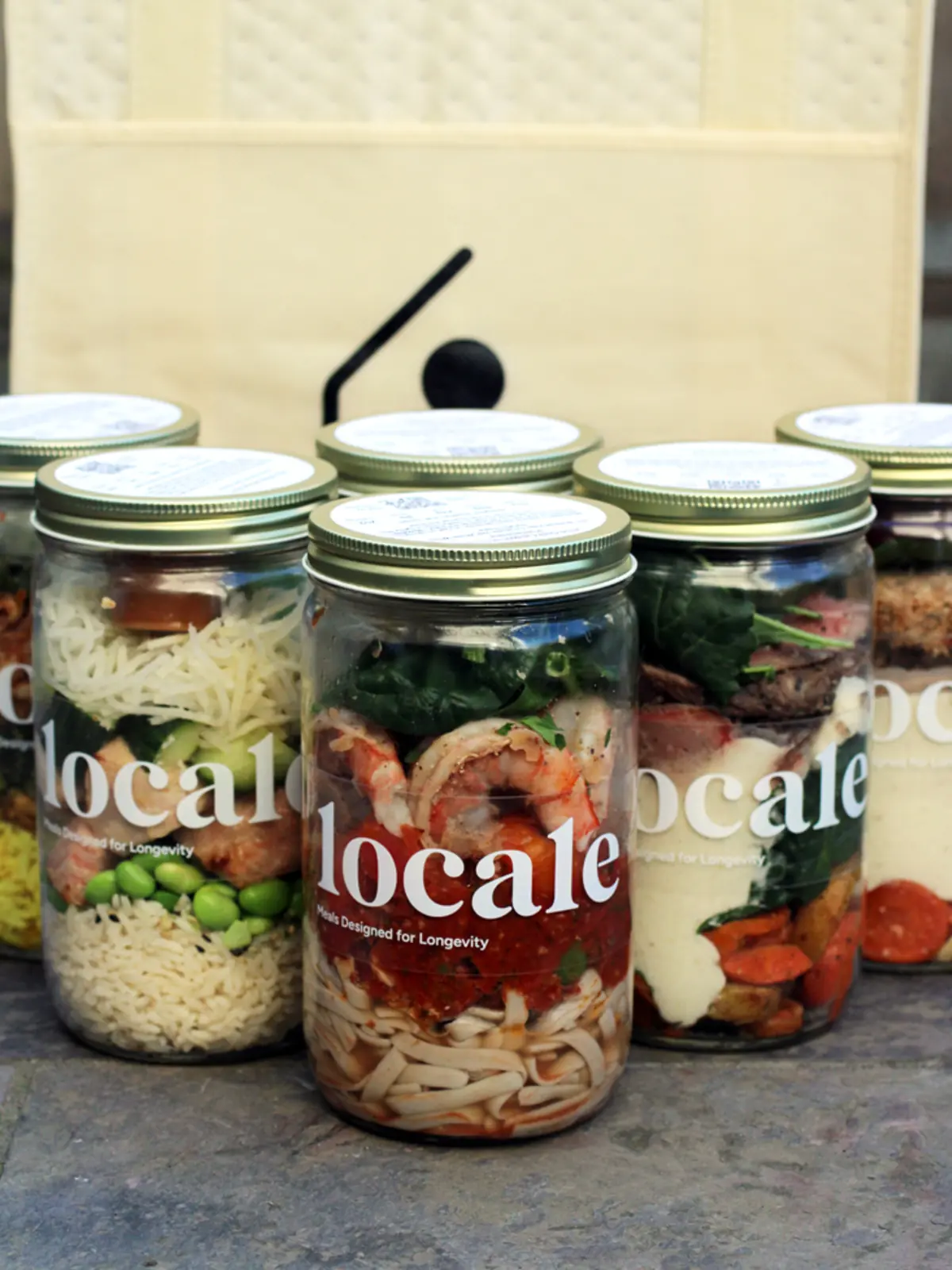
A serious high-protein option with unusually strict sourcing and packaging standards. Locale is especially compelling for active people in its delivery area, but limited availability and a less universal dietary profile keep it out of the top three.
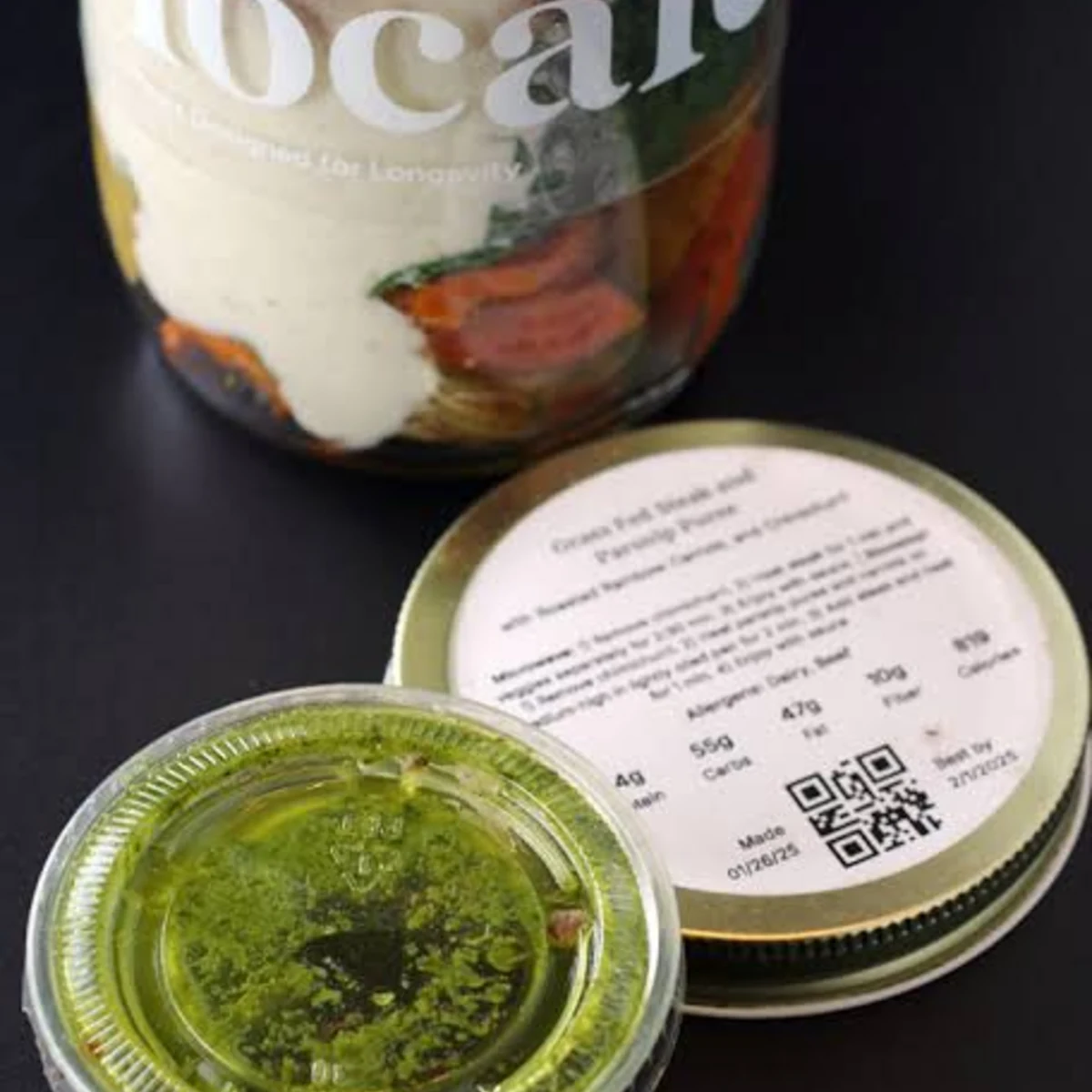
Best for high protein: Locale was the surprise of the comparison. The tender steak with chimichurri, briny shrimp puttanesca, and generous chicken shawarma had real personality and felt like meals I could look forward to. The high protein and fiber targets made the portions genuinely filling, and I liked that a large glass jar could become lunch plus leftovers instead of one undersized meal.
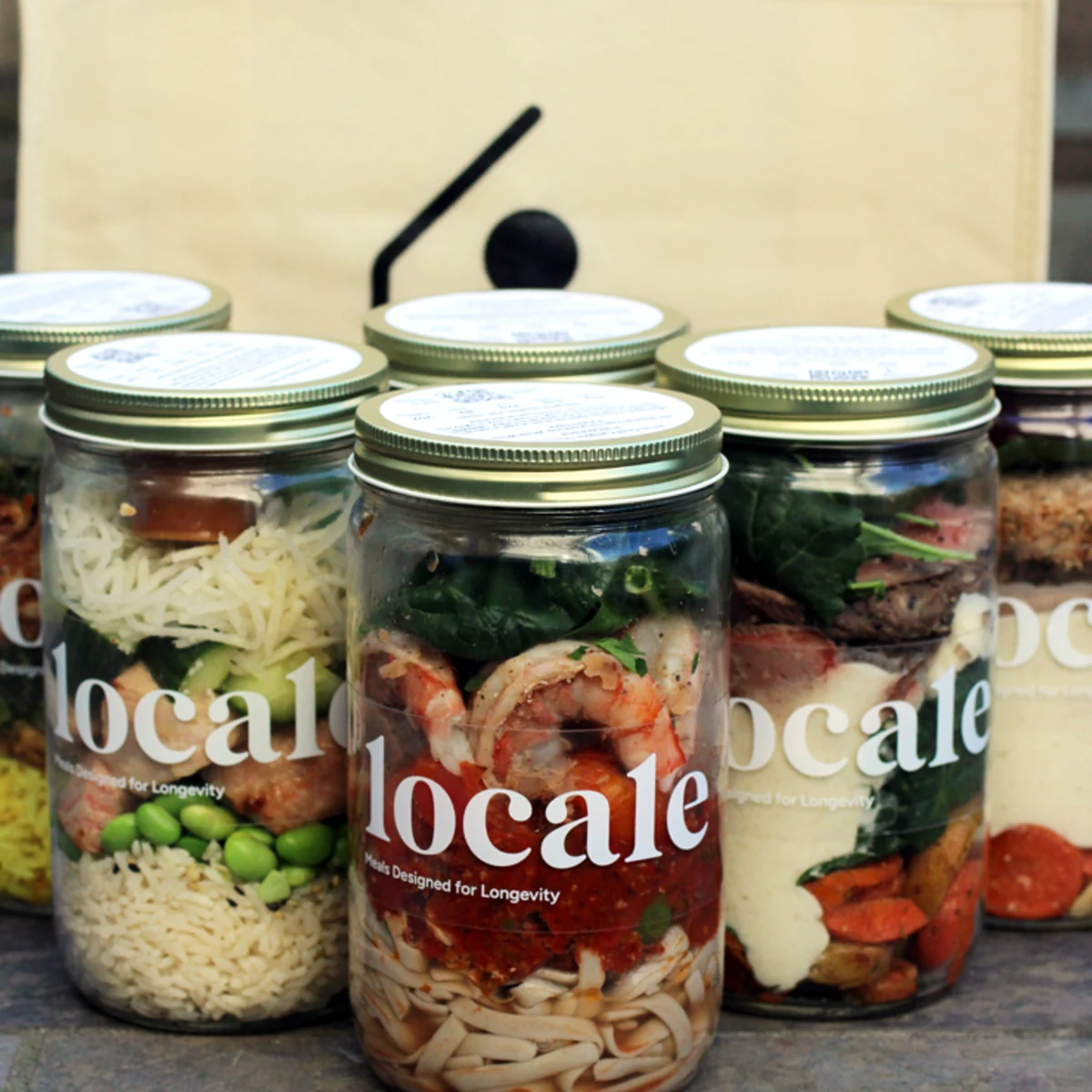
Main tradeoff: limited, location-dependent delivery. The experience can vary with the delivery and support team in each market. The menu is not universally made without gluten and dairy, and standard portions can be larger than some people want for lunch, although lower-calorie choices are available.
Factor is easy, widely recognizable, and extremely good at organizing meals around specific diet preferences. It falls behind the leaders because the nutrition and ingredient profile varies more across the menu and many dishes lean heavily on rich sauces or dairy.
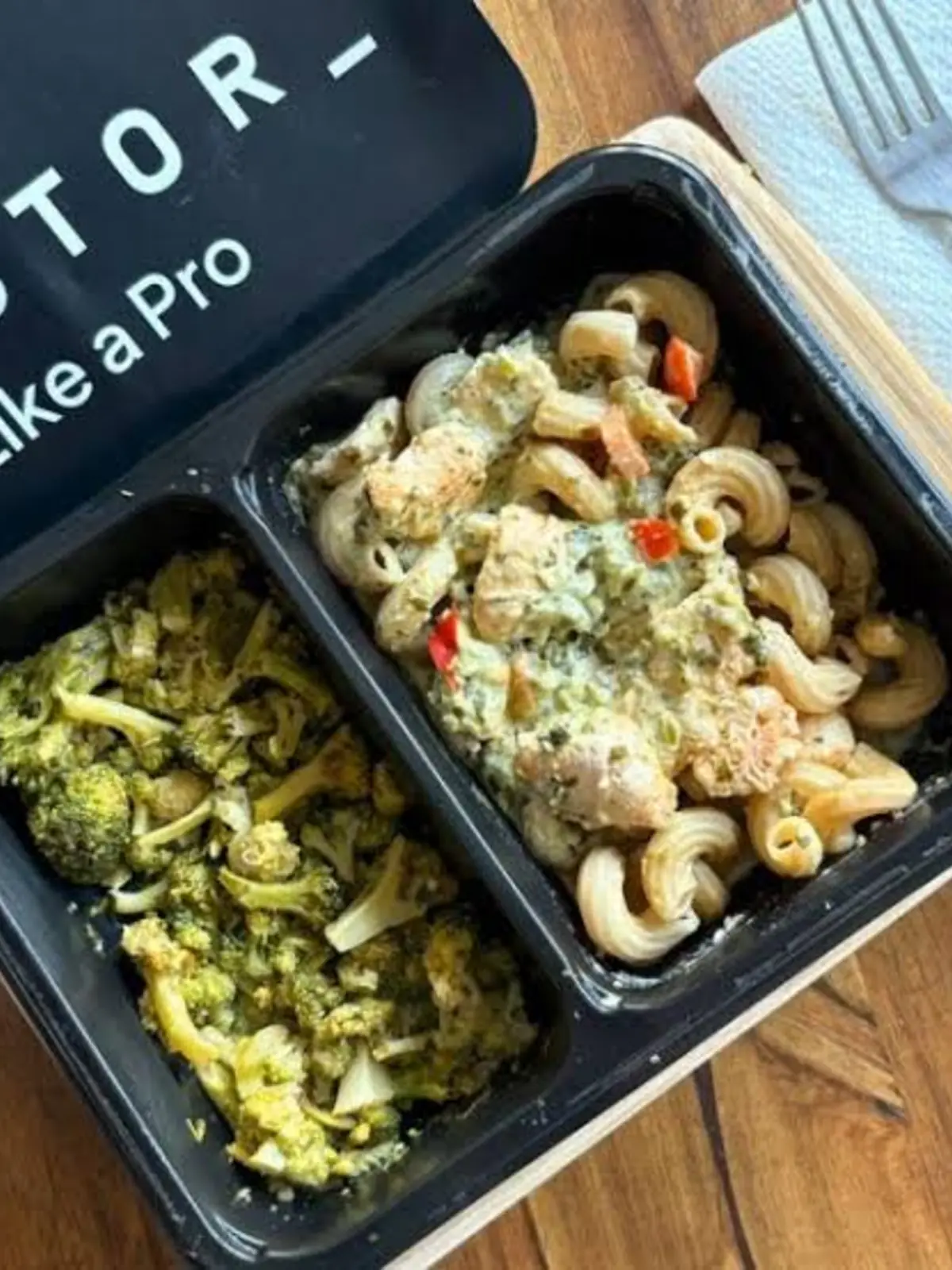
Best for diet filters: Factor was the easiest service to fit into a busy week. Delivery felt predictable, the meals were genuinely fast, and the large menu gave me enough solid choices to avoid cooking without getting bored immediately. The diet filters also made it easy to shop within a specific nutritional lane instead of reading hundreds of labels first.
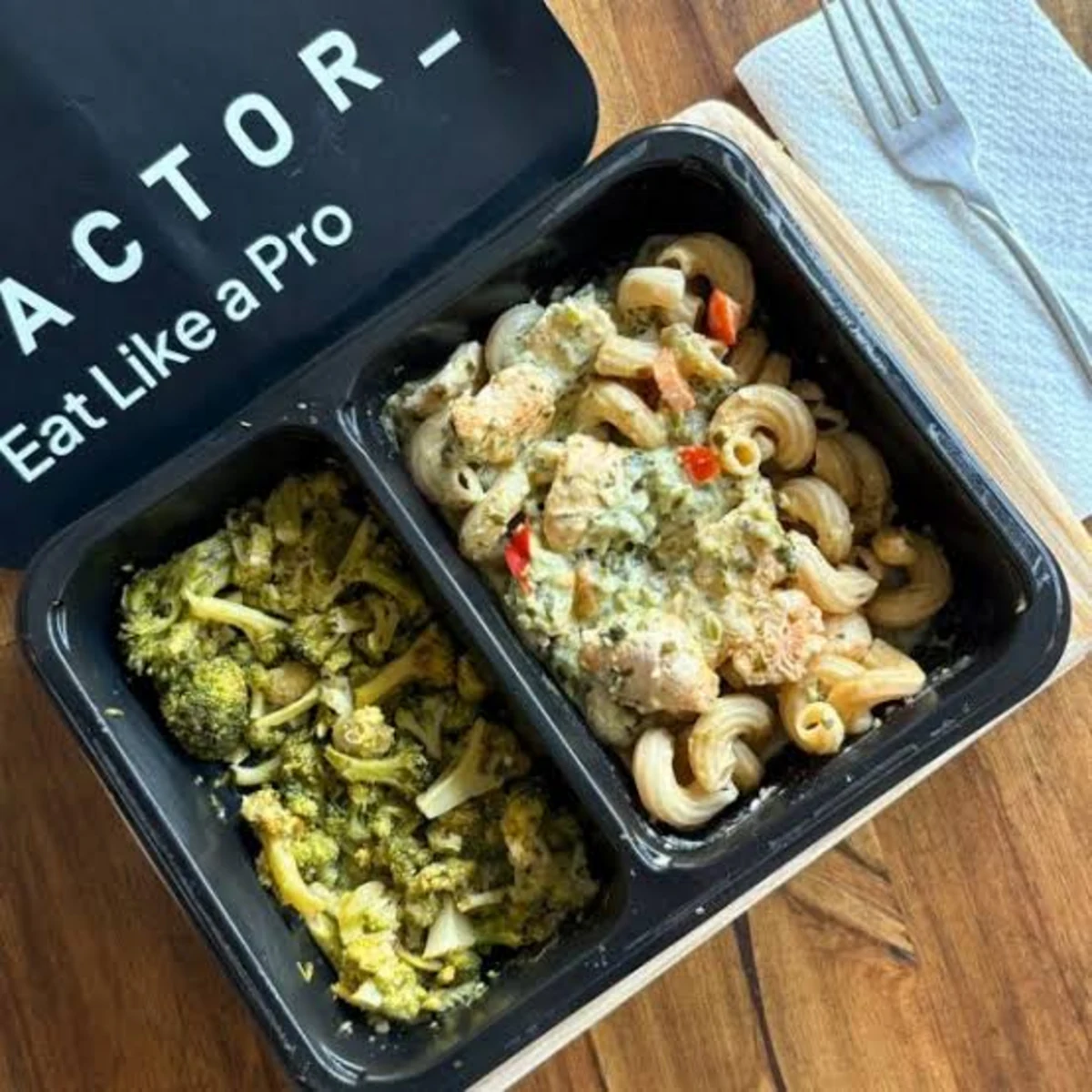
Main tradeoff: the label does not always tell the full nutritional story. I found that many meals leaned on creamy sauces or cheese, so the calories did not necessarily translate into the vegetables and protein I wanted. Ingredients, fiber, sodium, and dairy vary substantially across the menu. The introductory price is compelling, but at full price I would be far more selective and skip most add-ons.
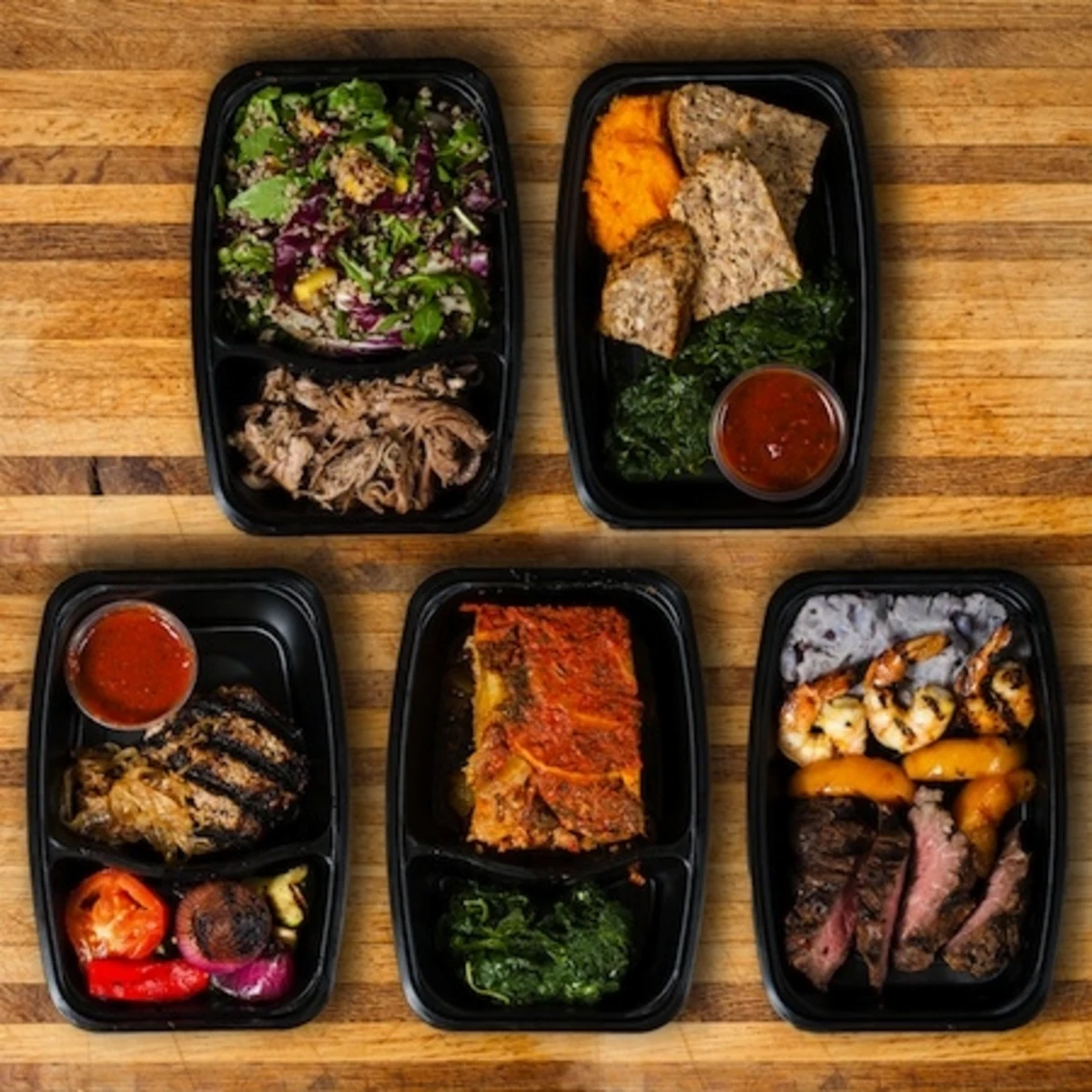
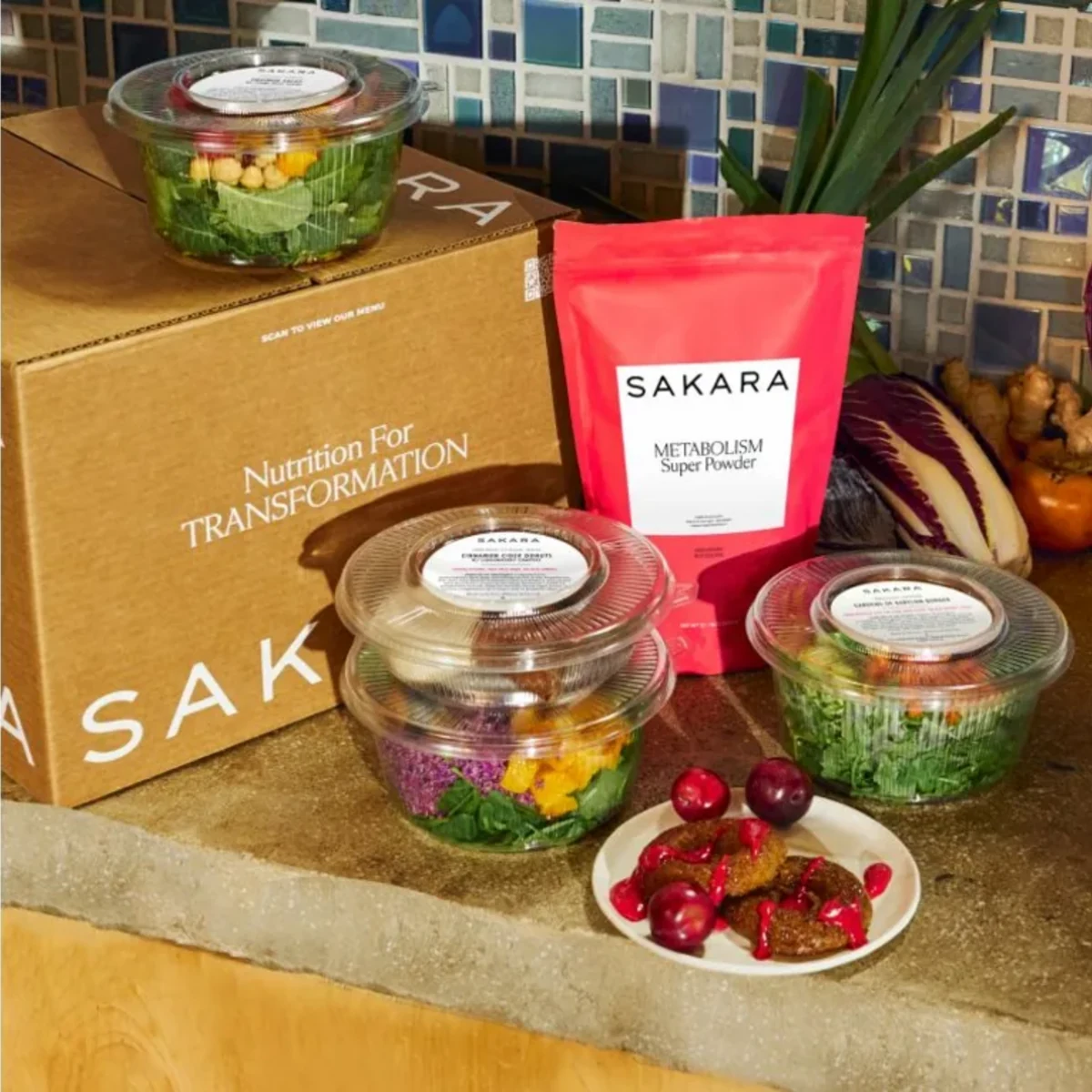
A beautiful, plant-based nutrition program with premium ingredients and polished presentation. Sakara is more luxury wellness experience than practical weekly meal replacement, and its pricing and lower protein transparency narrow the audience considerably.
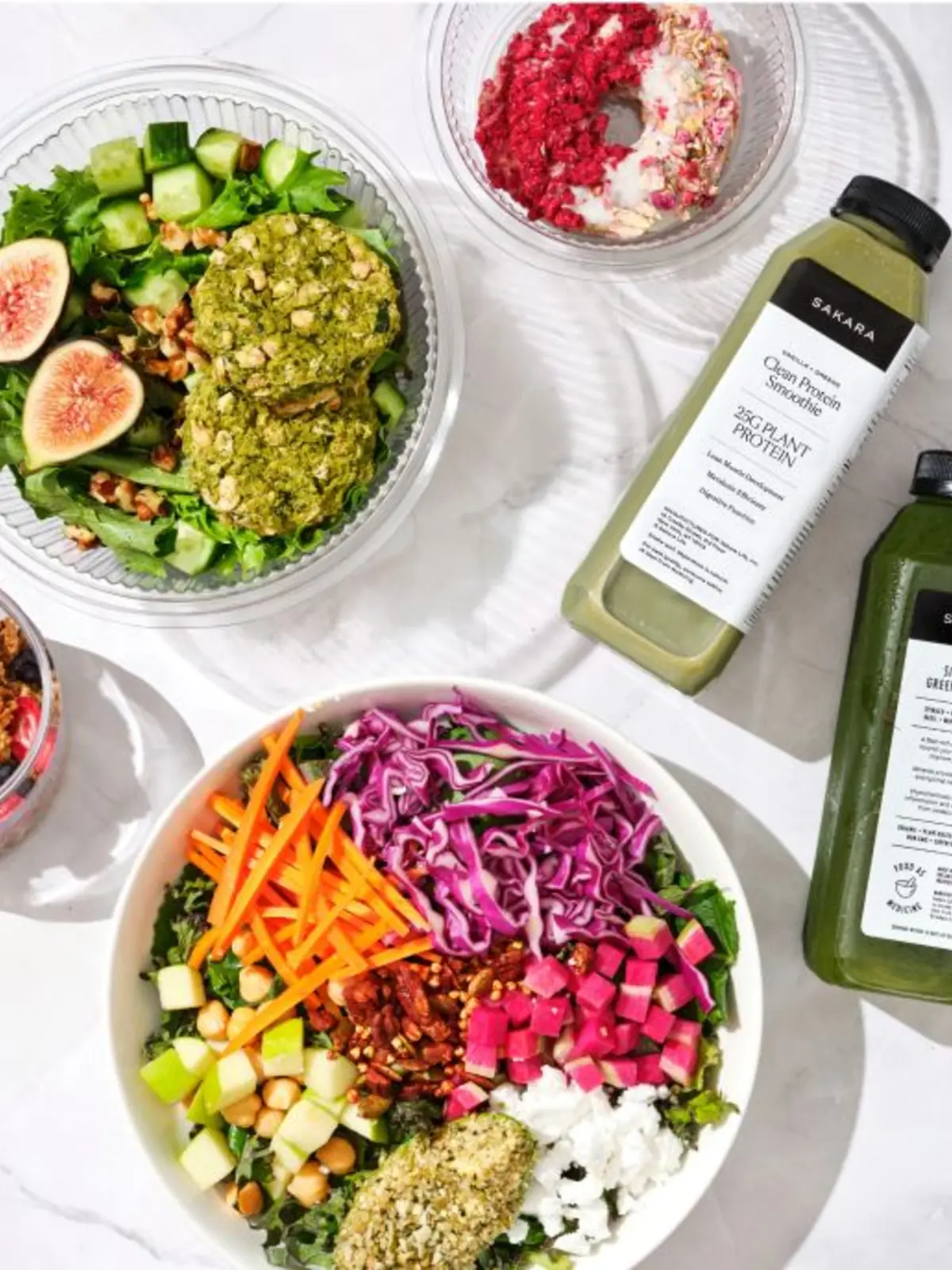
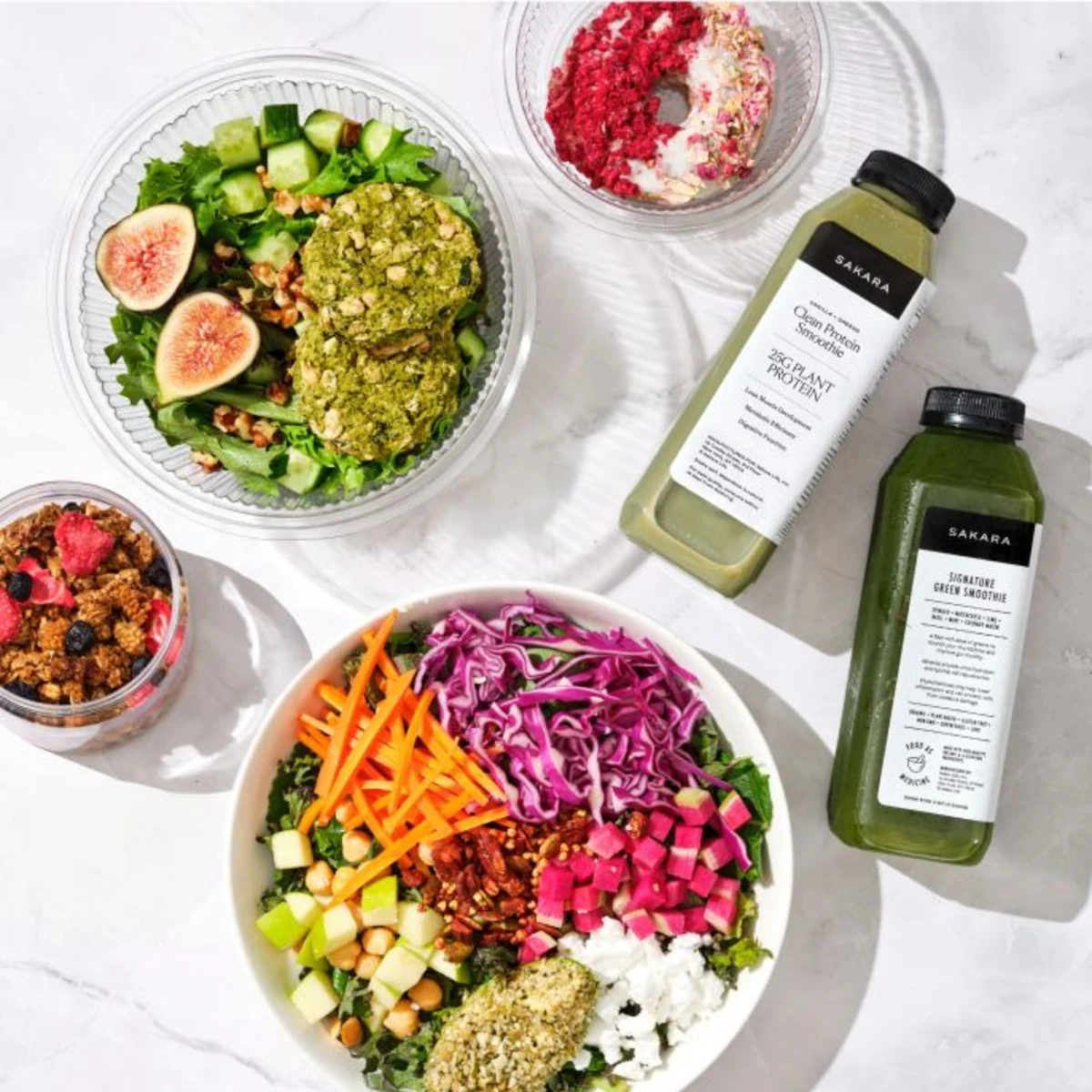
Best for a luxury plant-based experience: Sakara was the easiest service to enjoy visually. The colorful salads, noodle bowls, baked breakfasts, and especially the sauces felt more thoughtful than stereotypical wellness food. The portions were also more generous than the product photography led me to expect, and the entire delivery had the cohesive polish of a luxury wellness program.
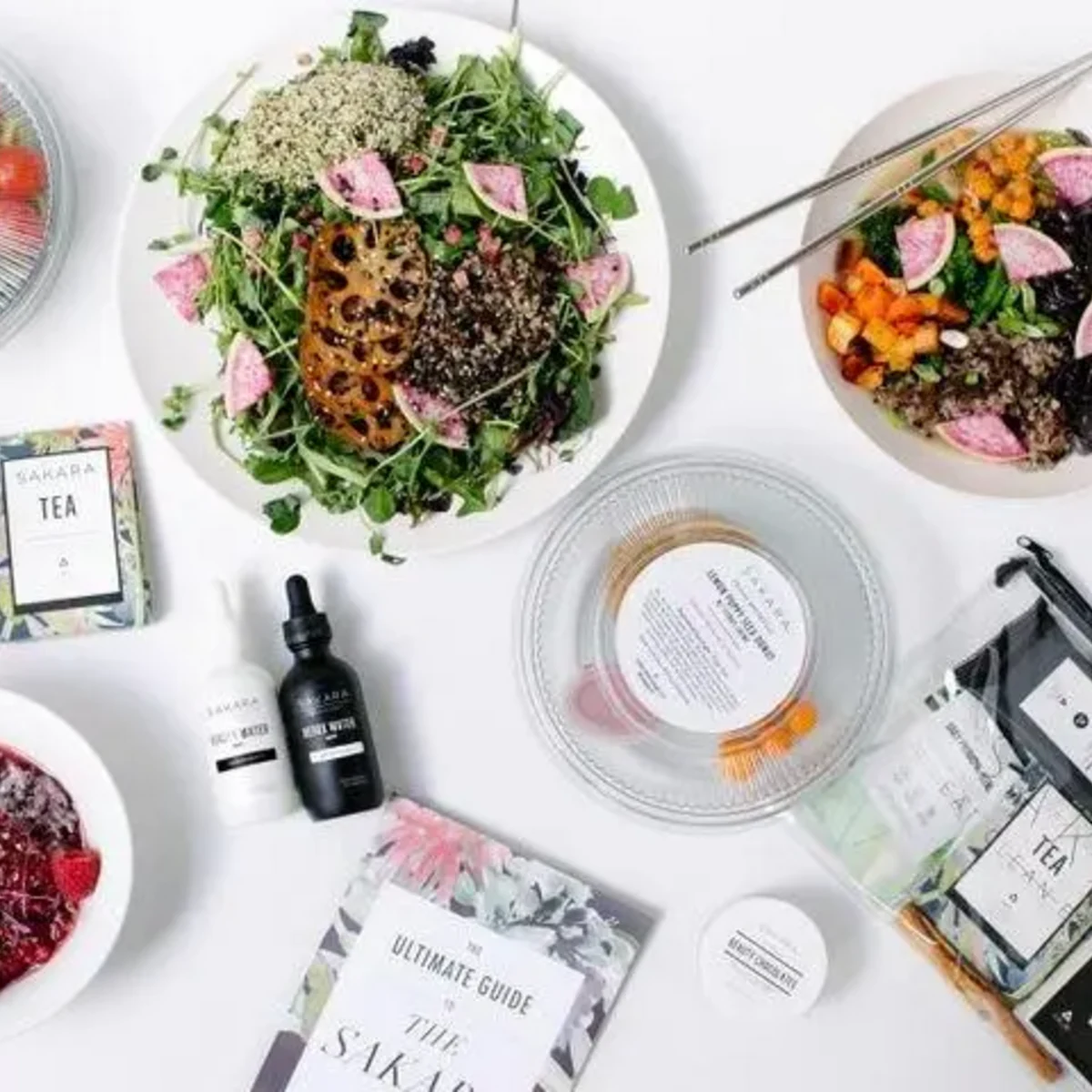
Main tradeoff: the price never disappears. Programs start at $161 per week and scale quickly, while protein and fiber are not presented as consistently from meal to meal. The menu can also start to feel repetitive over time. I would save Sakara for a demanding week when convenience and inspiration mattered more than everyday value.
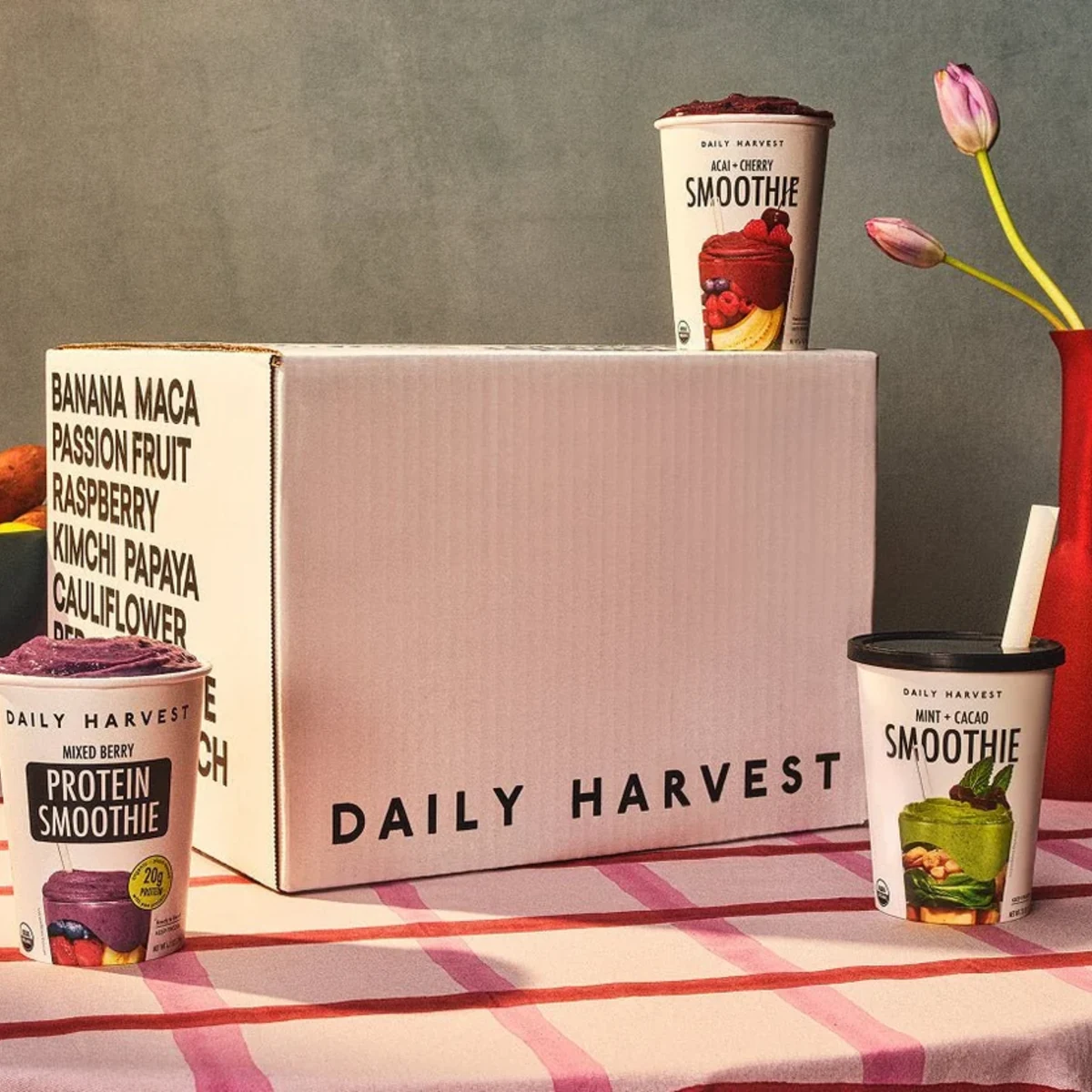
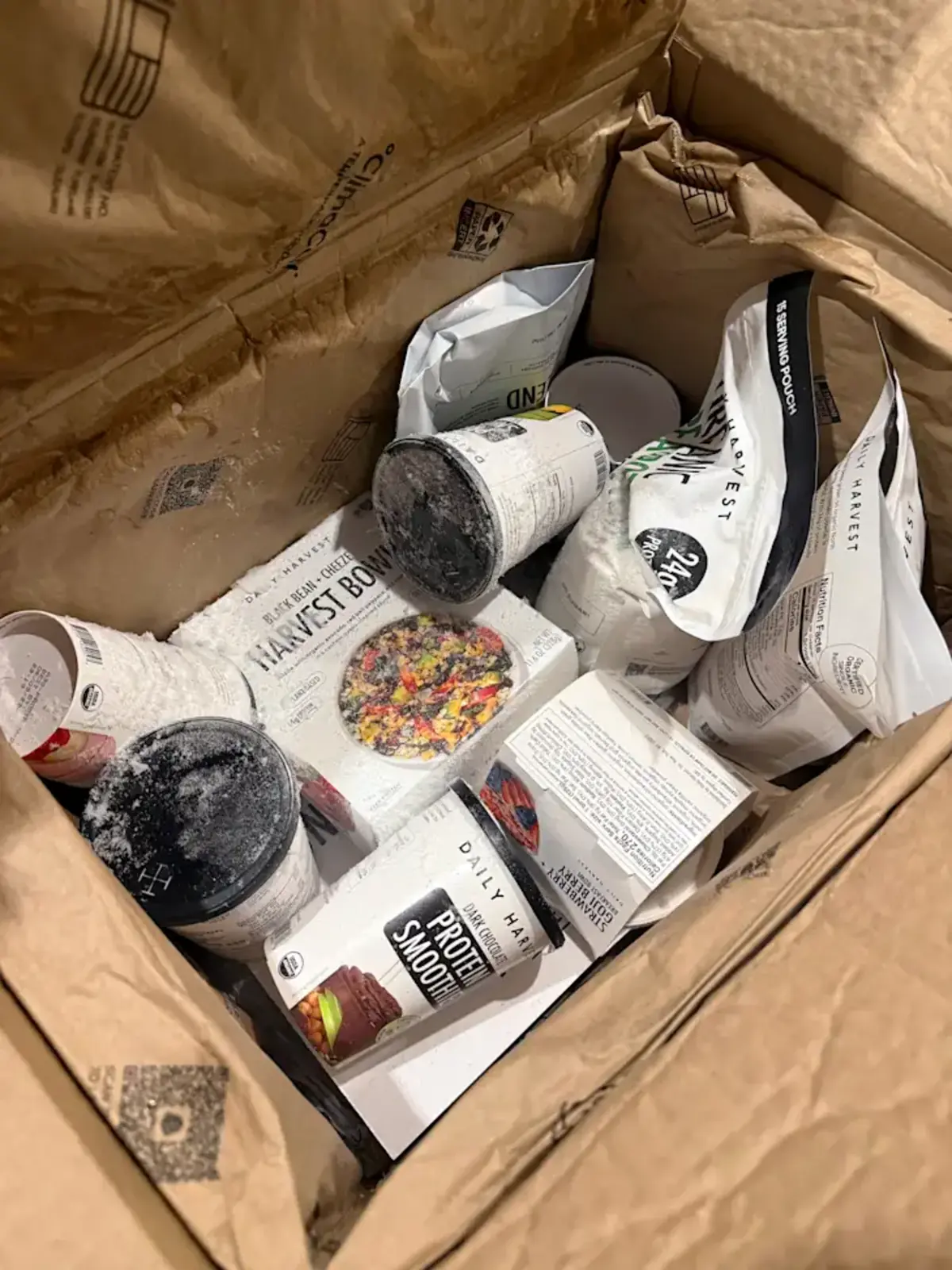
The easiest service to keep on standby. Daily Harvest is flexible, plant-based, and freezer-friendly, but many items function better as breakfasts or lighter meals than complete high-protein lunches and dinners.
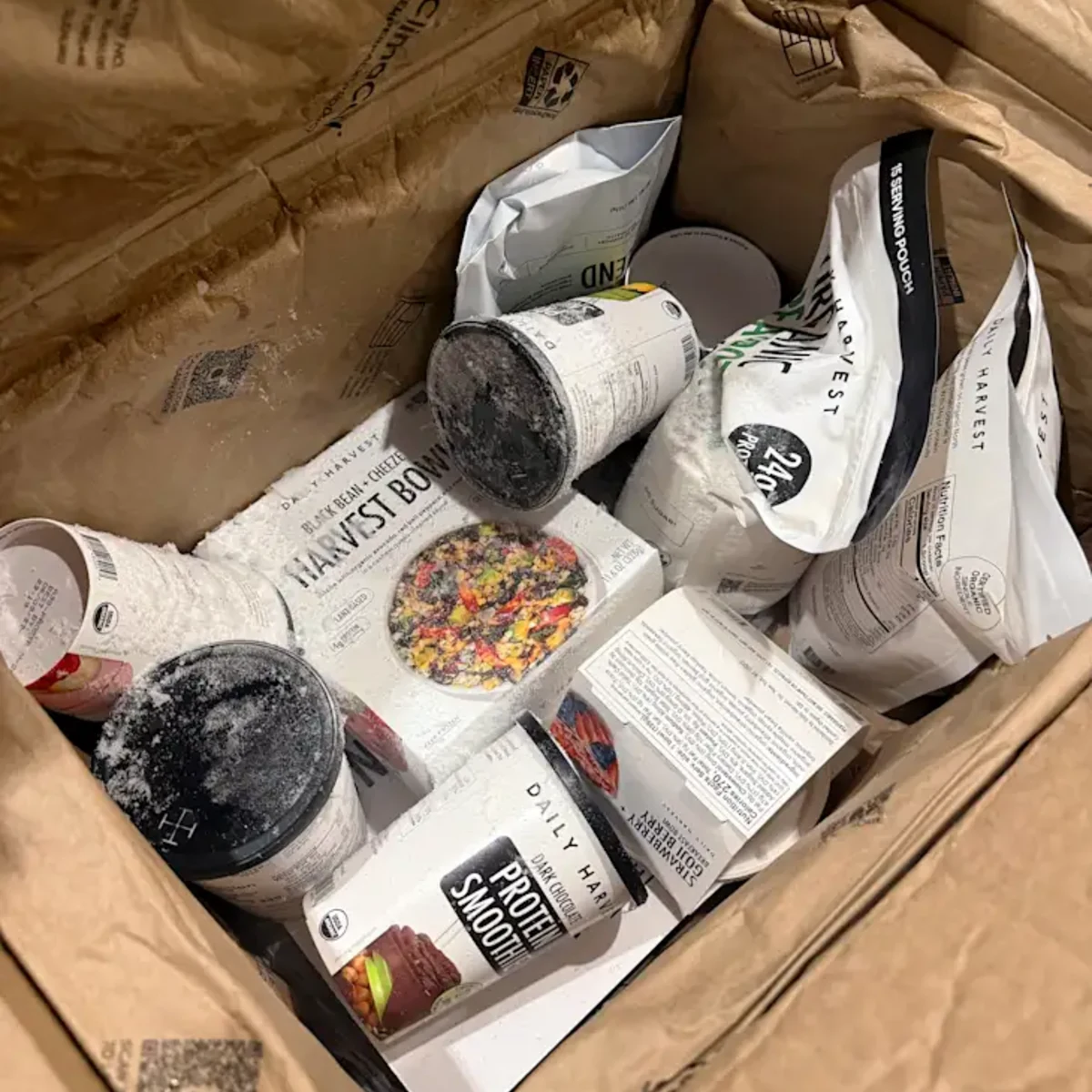
Best freezer standby: Daily Harvest became my emergency freezer. The smoothies were the clear strength: interesting combinations, almost no produce waste, and breakfast ready in minutes. The newer high-protein items made the range more useful than its older smoothie-only reputation suggests, and I liked not having to race against a refrigerator full of fresh meals before they spoiled.
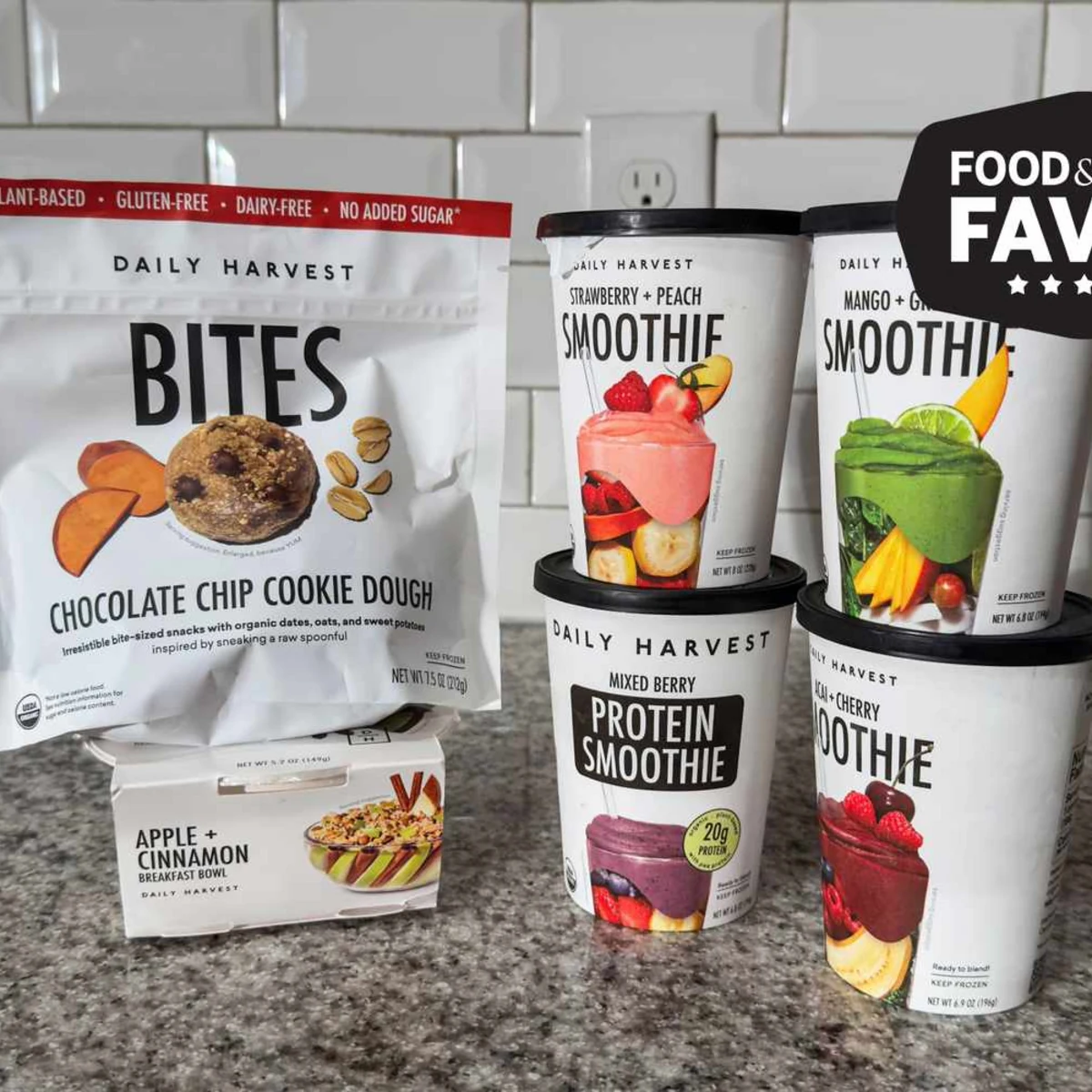
Main tradeoff: many items need help to become a full meal. Many cups needed added protein, greens, or another side, smoothies still required a blender and liquid, and a large order took up serious freezer space. The lineup has changed enough that I would shop the current menu carefully instead of relying on older reviews of discontinued savory meals.
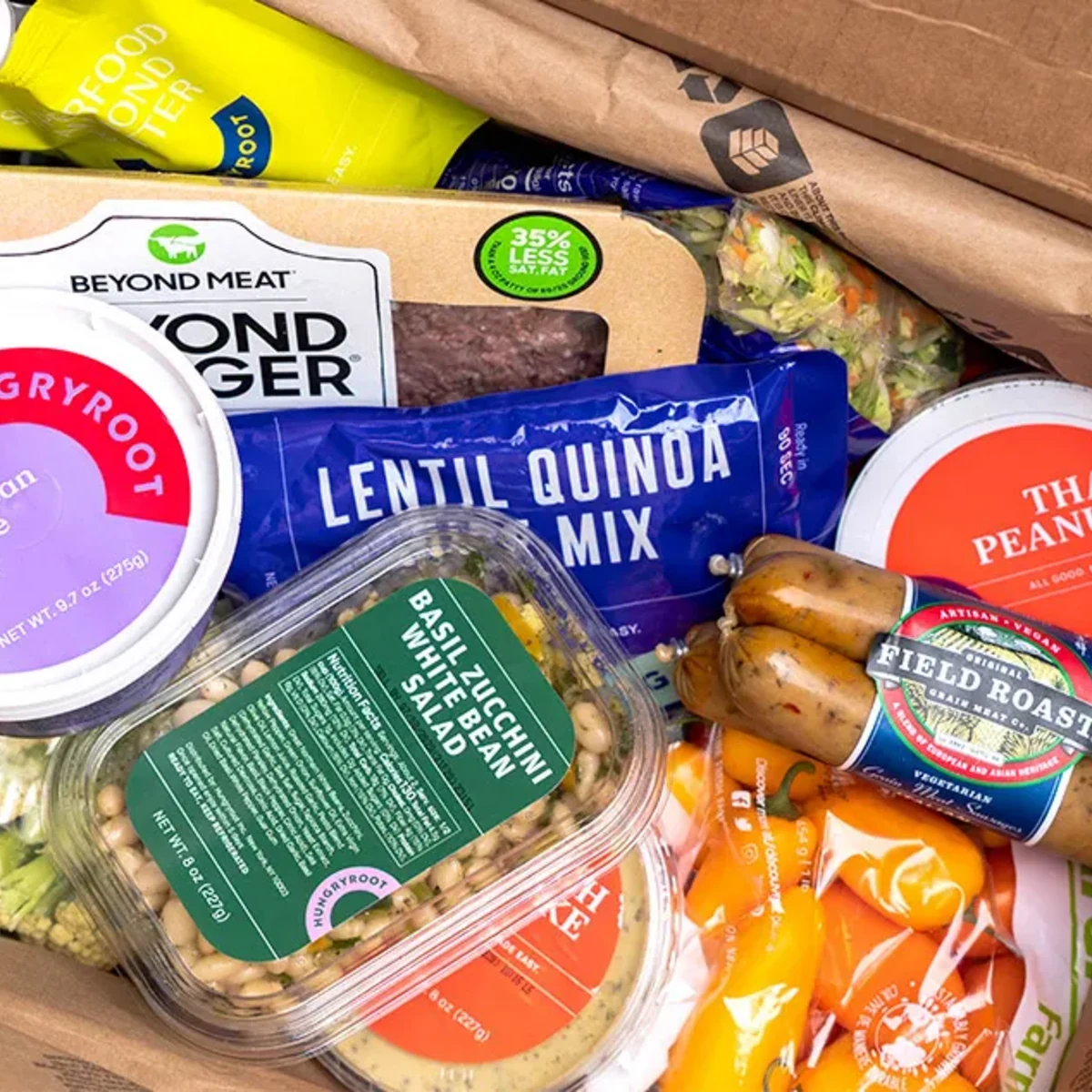
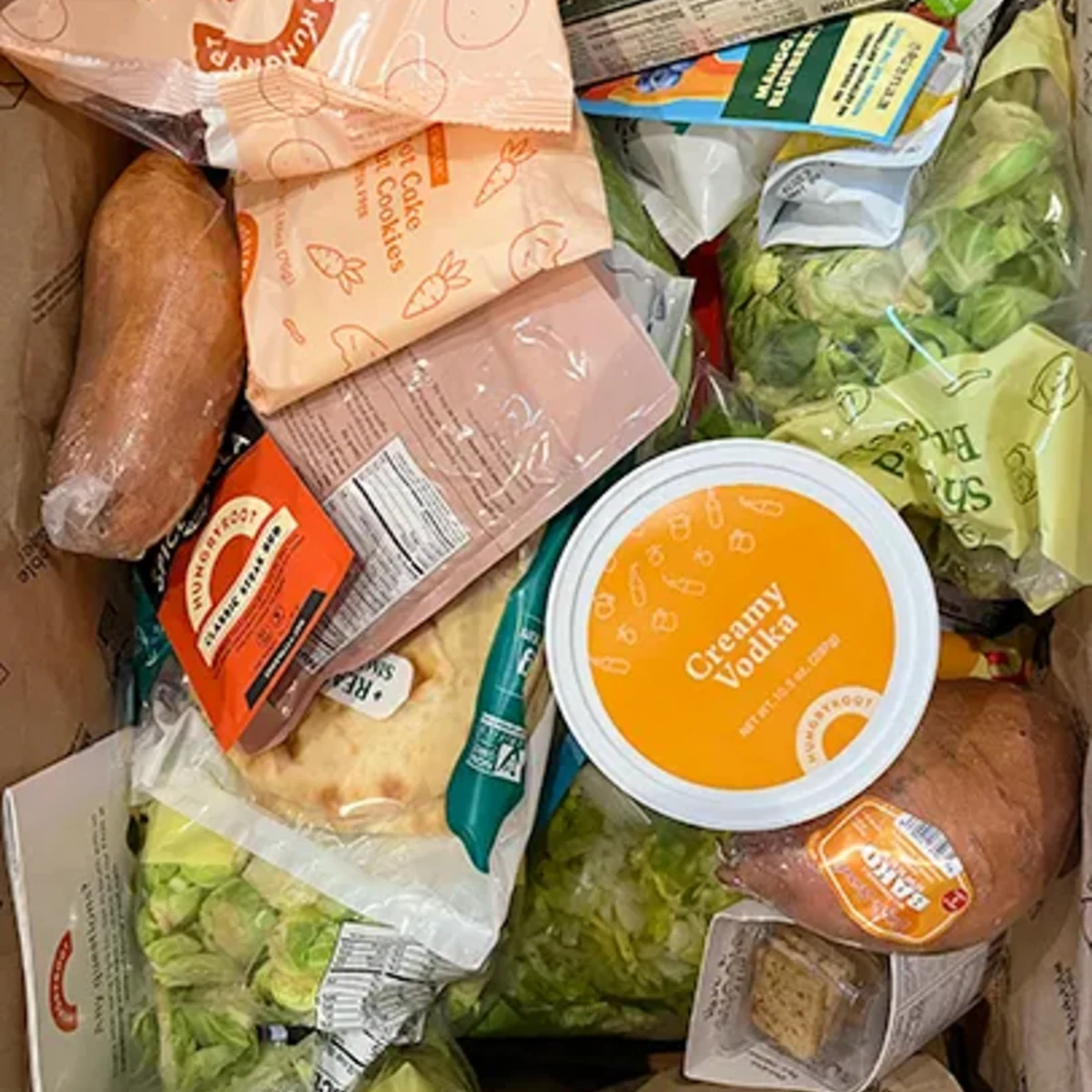
The most flexible grocery solution in the comparison, but not a direct replacement for a fully prepared service. Hungryroot can simplify shopping and meal planning at a lower advertised starting price, as long as you are willing to assemble or cook the food yourself.
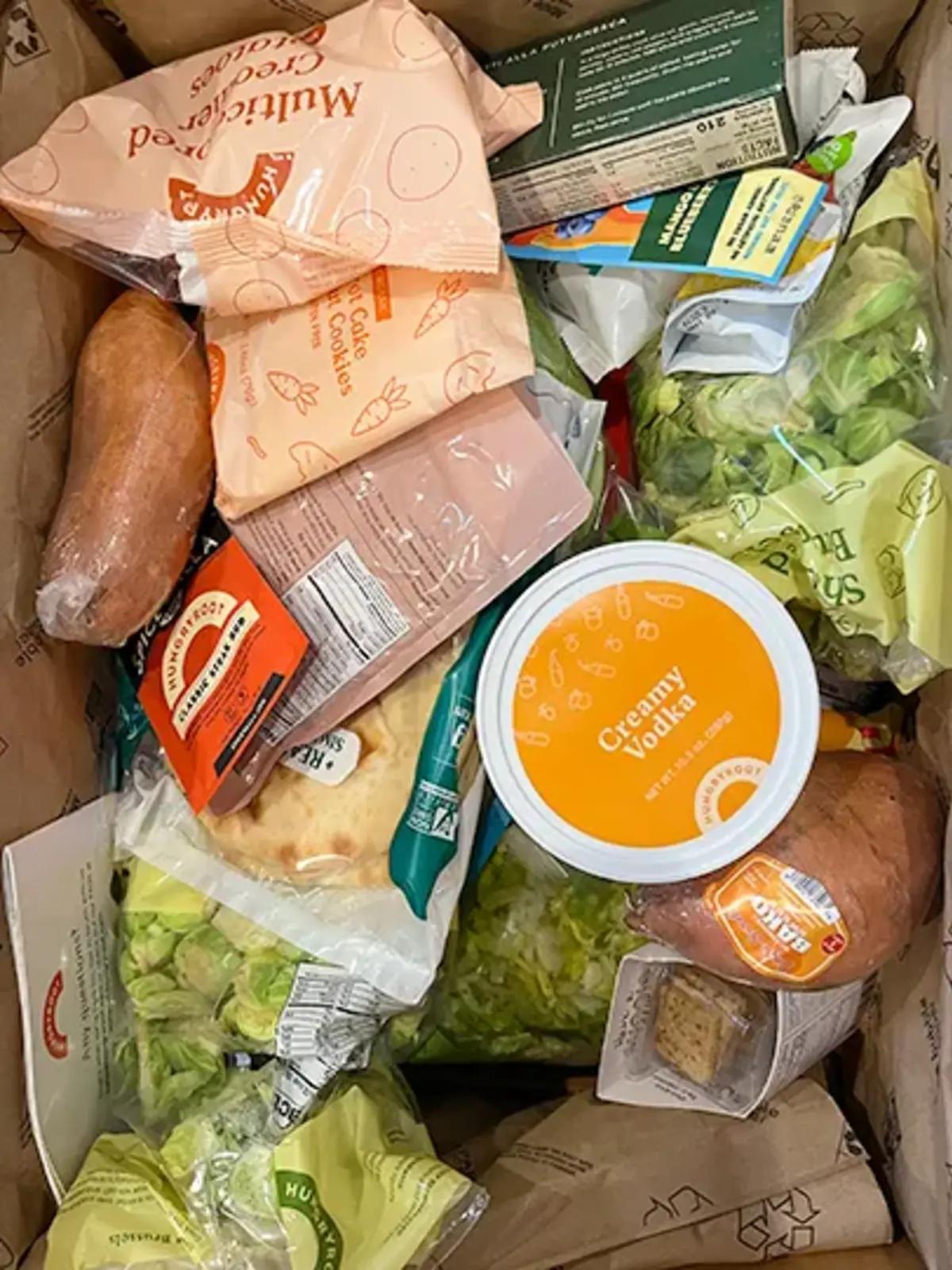
Best grocery hybrid: Hungryroot clicked once I stopped treating it like a prepared-meal service. It worked more like a shortcut grocery run: fresh produce, pre-cooked proteins, sauces, snacks, and recipes that usually came together in five to 20 minutes. I liked having more control over the final meal, and the flexibility made it useful for a household that still wants some cooking without the planning burden.
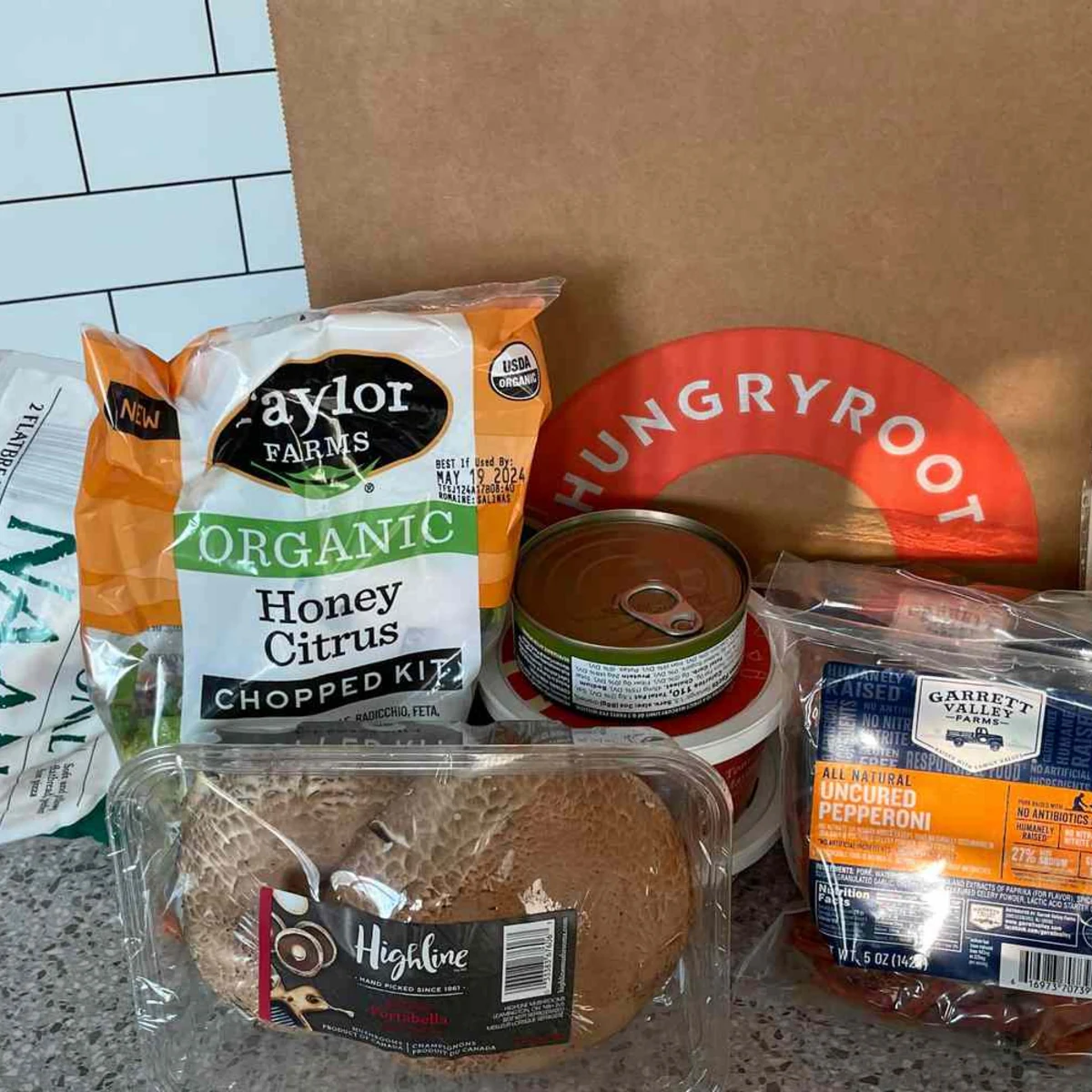
Main tradeoff: it still requires cooking. Chopping, mixing, cooking, and cleanup were minimal, but they did not disappear. Some two-person portions needed an extra starch or salad, and the pre-made components could leave awkward leftovers. It saved me planning more than it eliminated cooking.


The most complete formula in this test. MoonBrew hits every criterion I care about — the right forms of magnesium, no melatonin, genuinely great taste, and effects that compound meaningfully over consistent use. If you only try one product from this list, this is it.

Magnesium glycinate — the most bioavailable form for sleep and cortisol reduction
Melatonin-free — designed for nightly use without dependency
Seven flavors with regular new additions
Sugar-free, low-calorie — guilt-free nighttime ritual
Shared by 1,000+ clinicians on FrontrowMD
Third-party tested and screened for heavy metals
60-day money back guarantee

Not a solution for severe or clinical insomnia
Popular flavors sell out regularly
Effects build over 1–2 weeks — not instant
Want to save on your new favorite thing? Sign up for discount codes, new launches, and editors' picks.
