

PERSONAL REVIEW
We Tested the First-Ever 7-in-1 Home Health Assessment. What We Found Shocked Us.
October 8, 2026
Seven tests, one home assessment—and the findings that changed how my family takes care of our house.
The short answer
InHaus gave us a place to start. The seven-category assessment brought together a technician’s visit, a personalized report, and practical next steps. Mold and unexpected allergens led us to rethink filters, cleaning, and moisture—and we discovered a refrigerator leak that needed kitchen repairs.

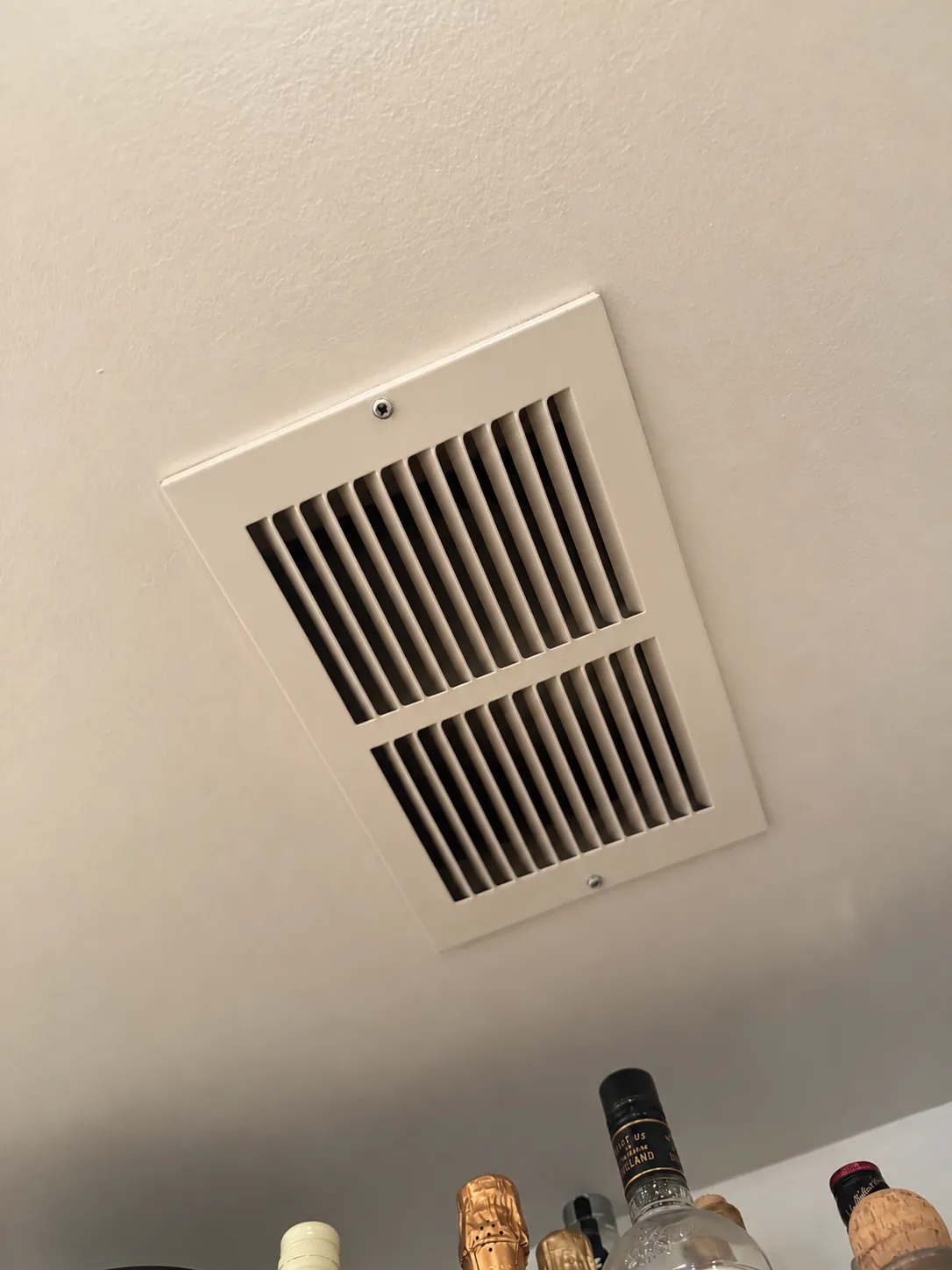
My husband had been promising to clean the air vents for longer than I care to admit. The dust had been accumulating for years, somehow miraculously dodging every single version of his weekend project list.
Between busy work schedules and keeping up with the kids, getting into the ductwork just kept getting pushed back. We knew the house needed attention, but knowing where to start felt overwhelming.
Then the headaches and congestion in our household became impossible to ignore. We booked InHaus Lab to check for mold and get an honest read on our home's air quality. We came out of it changing filters, revamping our cleaning routine, and even refinishing part of the kitchen after uncovering a hidden refrigerator leak. What started as my gentle nagging about dusty vents ended up sparking a complete home-health overhaul.
But first, what does “7-in-1” actually get you? That’s the part I’d want someone to explain before I booked anything.
Here’s what’s included in the seven-in-one assessment
InHaus’s Complete Home Health Check brings these seven categories into one assessment, with a technician visiting your home and the findings brought together in a personalized report:
- Air quality — what’s circulating through your rooms. Checks particles and gases, including fine particulate matter, carbon monoxide, and carbon dioxide. The broader analysis also looks at airborne allergens such as pollen. This was especially relevant to our questions about filtration and recurring congestion.
- Water quality — what’s coming out of the tap. InHaus lists checks for metals such as lead and copper, bacterial indicators, and water characteristics such as hardness and pH. It gives you more to go on than whether your water looks clear or tastes okay.
- Mold — what’s present and where moisture deserves attention. Uses sampling and assessment to investigate mold, including airborne spores and targeted surface checks. InHaus compares indoor mold patterns with outdoor conditions to help interpret the findings. This was the concern that got us to book.
- Radon — a gas you can’t see or smell. Measures radon, which can enter a home from the ground. InHaus describes monitoring in the lowest livable areas of the house. It’s a separate question from whether a room feels dusty or damp.
- VOCs — chemical vapors from everyday sources. VOC stands for volatile organic compound. These can come from paint, furniture, building materials, and some cleaning products. InHaus lists total VOCs and formaldehyde among its measurements. This helped me understand why household products belong in a conversation about indoor air.
- EMF — electromagnetic fields. InHaus includes EMF in its advertised seven-category package. These are electric and magnetic fields associated with sources such as electrical equipment. This was part of the broader scope rather than the reason we called.
- Surface contaminants — what a wiped-down surface may still carry. InHaus lists ATP testing, which estimates biological residue on surfaces. Think of it as information about surface cleanliness; it doesn’t identify every germ or chemical that could be there.
What you get afterward: a personalized report, a Home Health Score, and guidance on what deserves attention. InHaus says the visit usually takes about 90 minutes, with the report arriving in roughly a week or two. The useful question for me was: which findings should actually change how we take care of the house?
Some categories overlap—VOCs are part of air quality, for example. Together, they gave us a wider starting point than the single mold test I’d originally had in mind.
Why we finally stopped saying “maybe it’s allergies”
For a while, “maybe it’s allergies” was our household’s answer to everything. Another headache? Maybe allergies. Congested again? Same answer. It was plausible enough that we could say it, get on with the day, and avoid thinking too hard about the house.
Except it kept happening. We’d been living there for years, and this was starting to feel like a pattern rather than a run of bad days. It didn’t come and go with one obvious pollen season. Eventually, “maybe” wasn’t doing much for us.
Back-to-school season adds another layer to that worry. You’re trying to get the kids into a routine, keep everyone well, and avoid the cycle of something going around the classroom and then making its way through the family. My husband and I already had enough on our plates without another stretch of somebody feeling lousy. But the headaches and congestion we were investigating had been happening across seasons, beyond the usual school-year shuffle.
Meanwhile, the home-maintenance list kept growing. The vents needed attention. I was questioning the filters. Now I was worried about hidden mold too. After a long workday, trying to figure out which test to buy, who to call, and what to tackle first felt overwhelming. That’s the part of finding InHaus that mattered to me: someone could come into our home, investigate across those areas, and give us a place to start.
Mold was the thing I worried about most. I began looking into a mold test, picturing the sort of answer that would let us either fix a problem or finally stop wondering. Then I ran into a more uncomfortable question: What if I tested for mold and the house had something else going on too?
That’s what made InHaus’s broader assessment appealing. I didn’t think our house was secretly failing seven tests. I wanted someone to look beyond my one theory so we could make a decision based on what was actually there. I was worried enough about mold to call someone, and uncertain enough about the rest to want a wider look.
The visit felt like a conversation before it felt like a test
The technician (Jason) who came to our home was personable from the start. He asked questions about what we’d been noticing and listened to why we were concerned about mold. I had a lot of questions too. He answered them in a way that made it easy to keep asking, which matters when you’re inviting someone in to investigate the place you live.
He also resisted the easy answer. He could offer an impression from what we described and what he saw on the walkthrough, but he wasn’t going to declare the house fine—or point to one culprit—before checking it. That was exactly the reason we’d called.
He walked through the spaces with us, did a visual assessment, and set up air sampling in the living area, kitchen, and bedrooms. Seeing the sampling happen in rooms we actually use made the whole thing feel less abstract. These weren’t numbers from a generic indoor-air article. They were measurements tied to where we spend our time.
The report was the next part I cared about. The Home Health Score offers an overview, and the findings underneath it explain what needs attention. I wasn’t looking for a gold star for my house. I wanted to know what we should look at first.
Air quality and allergens: the finding that changed our routines
I’d already made room in my head for mold. That was the worry that started all this, and it turned out we had a real moisture-related problem to address. What caught me off guard in the results was the level of ordinary allergens. I expected a home to have some. I hadn’t expected ours to make me question how well our everyday routines were working.
That distinction changed the way I read the report. If mold had been the only meaningful finding, we might have treated one affected area and considered the job done. The allergen picture made me look at the house as a system: what comes in from outside, what collects in the rooms we use most, what our filtration is actually doing, and whether our cleaning habits are helping as much as we think.
I started with the filters. We changed them and reassessed how often we were cleaning and maintaining the filtration system. We looked harder at the products we used to clean, switched some of them, and paid more attention to what we carried into the house. We also became more deliberate about moisture—where water could sit unnoticed, and which little maintenance jobs we’d been putting off.
My husband had been right to keep bringing up the vents. Having the results in front of me gave that conversation a lot more weight. It was harder to keep treating filtration and upkeep as something I’d get around to whenever work finally calmed down.
None of those changes is a glamorous reveal. That’s partly why the results got to me. I had expected the answer to be one dramatic hidden contaminant. Instead, the assessment pushed us to take a series of unglamorous things more seriously. A filter schedule is easy to wave off until you see a reason to care about the air it’s filtering.

Mold and moisture: the refrigerator was hiding a problem
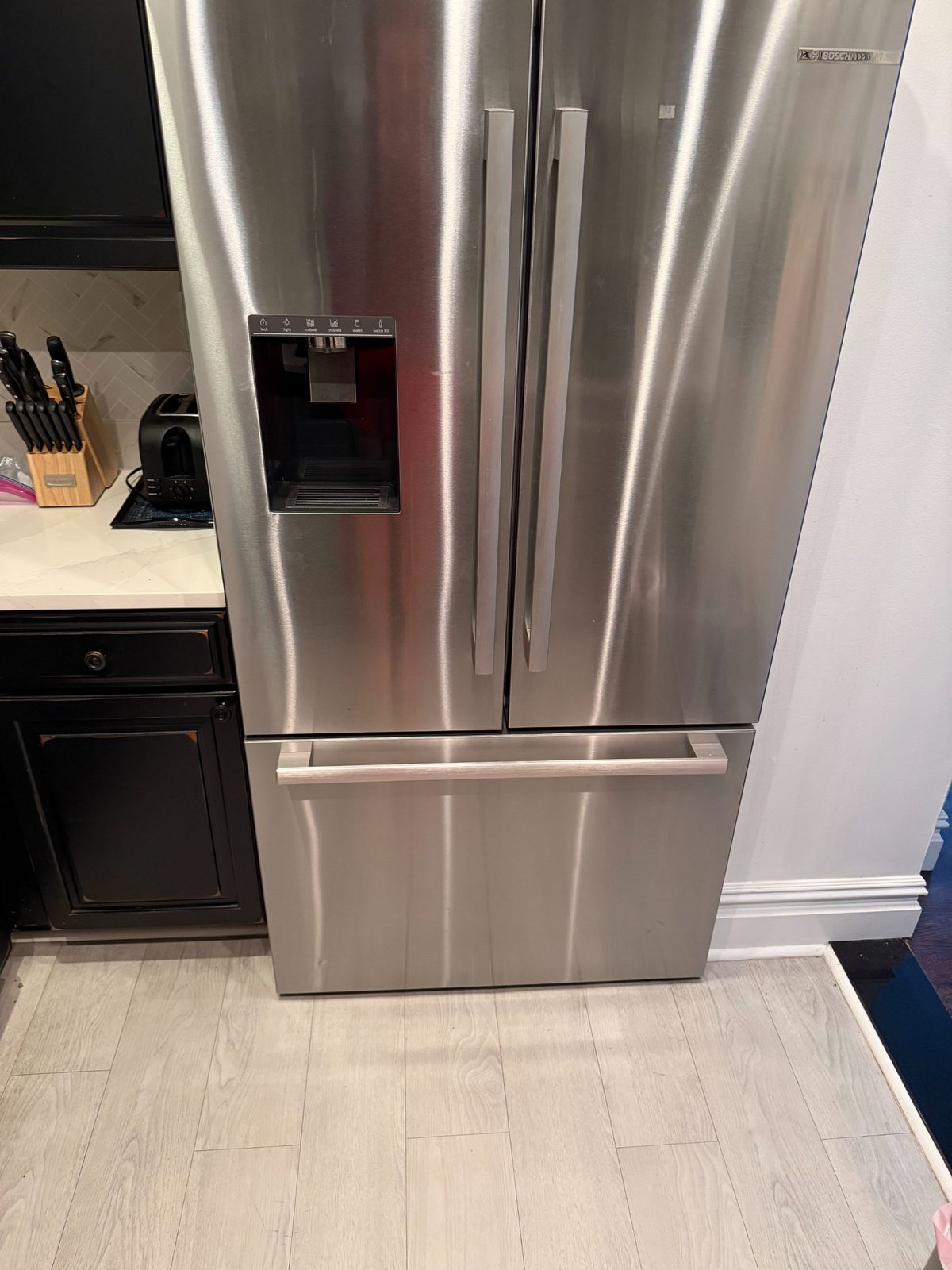
Then we found the problem I really wish we’d caught earlier: the refrigerator had been leaking, and mold had developed in part of the kitchen. We ended up refinishing the affected kitchen area. We recaulked parts of the bathroom too, addressing other places where water could get trapped. I began this process thinking about what might be floating in the air; suddenly I was thinking about a refrigerator and bathroom caulk. Homeownership has a sense of humor, apparently.
That was actual work and actual expense. But it was work we could name. Before the assessment, the conversation in our house kept circling back to “Does something seem off?” Afterward, it became “Here are the spots we need to handle, and here are the habits we can change.” I’d take the second conversation every time.

What the $1,200 bought us—and what it didn’t
InHaus currently lists the Complete Home Health Check at a starting price of $1,200. I wouldn’t pretend that’s an impulse purchase. If you already know there’s a leak and just need someone to repair it, you may have a more direct next call to make. For us, the problem was that we didn’t know what was going on. We had a persistent household pattern, a mold suspicion, and several possible places to look.
The bundle meant one visit to investigate across those seven categories and one report to help us sort the findings. InHaus says its package costs less than arranging comparable tests separately, though your actual alternative cost depends on which tests you would otherwise book. I can’t put a dollar amount on what we saved by finding the leak. The tangible value for us was catching something we needed to fix and having a reason to change the routines we’d treated as good enough.
There’s an important boundary to the story: a home assessment doesn’t diagnose the cause of someone’s headaches or congestion, and it doesn’t repair a kitchen. We did the follow-up work ourselves. What I can say is that the visit and report changed our decisions in ways another round of guessing hadn’t.
The assessment is a standalone purchase; InHaus also offers optional ongoing monitoring. I like that distinction. For someone with a lingering question about their home, the first decision is whether a broad assessment is worth doing. You can decide what to do with the findings—and whether you need anything further—once you’ve actually seen them.
Would I do it again?
Yes. I would have been happier if the answer had been “your house looks great, go enjoy it.” That isn’t what we got. We found more than I’d expected: a mold-prone area tied to a leaking refrigerator, allergens that made me rethink our filtration and cleaning, and a list of practical changes that extended beyond the original mold hunch.
The shock wasn’t that a home could have allergens or a leak. It was realizing how long we’d been explaining away a recurring pattern while the house was quietly giving us things to act on. The $1,200 bought us a way to stop treating “maybe it’s the house” as the end of the conversation.
If that sounds familiar, check InHaus’s assessment scope and availability for your city. The booking form lets you request an assessment or join the waitlist where service isn’t yet available.